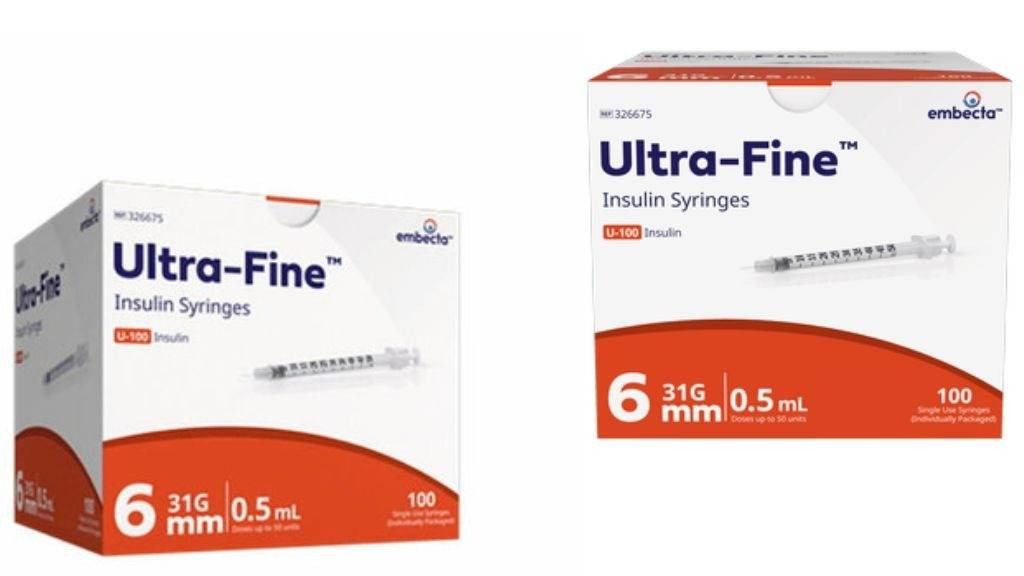
Understanding the U-100 Scale on Your 31g 6mm Insulin Syringe
Accurate Insulin Measurement Techniques
Always use a syringe labelled for U-100 insulin and check your vial’s expiry date before use. U-100 means 100 units in each millilitre, so syringe markings correspond directly to those units.
Try these simple steps to improve accuracy:
1. Choose the Right Syringe: Use a U-100 syringe with U-100 insulin — mismatched devices increase error risk.
2. Check Expiry: Confirm the insulin isn’t expired and looks normal before drawing a dose.
3. Read the Scale: Hold the syringe at eye level and line the plunger with the unit marking you need.
Using clear technique and reliable tools reduces dosing mistakes. SuperPharmacyPlus stocks syringes and aids to help with precise administration.
Usage Guidance
Good injection technique works with correct measurement to lower complication risk. Follow these basic safety steps every time you inject.
1. Single Use: Use each syringe only once to keep things sterile and avoid infections.
2. Injection Technique: Clean the site, pick the right angle and inject using a quick, steady motion.
3. Aftercare: Press gently with cotton or gauze if there’s minor bleeding — don’t rub.
Choose supplies from trusted sources — for example, insulin syringes available at SuperPharmacyPlus — to make daily administration safer.
Best Practices for Effective Diabetes Management
Accurate dosing is one part of diabetes care. Combine correct technique with routine self-care to help keep blood glucose stable and lower complication risk.
1. Site Rotation: Rotate injection sites to avoid lumps, scarring and inconsistent absorption.
2. Blood Sugar Monitoring: Regular checks help guide safe dose adjustments.
3. Consult Healthcare Providers: Review your plan with clinicians or diabetes educators on a regular basis.
Access to appropriate diabetes supplies supports daily care — see SuperPharmacyPlus.
What Is the U-100 Scale on Insulin Syringes?
How does the U-100 scale measure insulin units?
Each marking on a U-100 syringe represents a specific number of units. To measure correctly, prepare the syringe, draw insulin to the intended mark and make sure the plunger lines up exactly with that unit number.
1. Prepare the syringe — clean and ready.
2. Draw insulin until the plunger reaches the intended unit marking.
3. Double-check the plunger against your prescribed dose before injecting.
Why is the U-100 scale important for diabetes management?
What Does the 31g 6mm Needle Gauge and Length Mean on Your Insulin Syringe?
31g refers to a fine needle gauge — higher numbers mean thinner needles, which usually cause less pain. "6mm" is a short length designed to reach the subcutaneous layer without increasing the risk of injection into muscle.
1. Gauge: A higher gauge (31g) means a thinner needle and often less discomfort.
2. Length: 6mm is commonly used for subcutaneous injections and can provide consistent absorption in many patients.
Selecting the right gauge and length improves comfort and helps ensure reliable insulin uptake.
How does needle gauge affect injection comfort?
Why choose a 6mm needle length for insulin injection?
How to Read Insulin Syringe Units Using the U-100 Markings?
Use a consistent, step-by-step approach to draw and check the correct number of units each time.
1. Preparation: Ensure the syringe is clean and ready.
2. Fill: Pull the plunger to draw the prescribed units, aligning the plunger with the unit mark.
3. Verify: Confirm the units match your healthcare instructions before injecting.
What are the steps to measure accurate insulin doses on a 31g 6mm syringe?
Follow these concise steps every time:
1. Withdraw: Pull the plunger slowly to the designated unit mark.
2. Remove Air: Tap gently to move bubbles to the top and expel any air before injecting.
3. Confirm: Re-check the marking and dose before you inject.
Which common mistakes affect insulin unit readings and how to avoid them?
What Are the Best Practices for Using BD Ultra Fine 31g 6mm Insulin Syringes?
BD Ultra-Fine 31g 6mm syringes are made for precise dosing and reduced injection discomfort, with clear markings and a very fine needle.
1. Precision: Clear markings make it easier to confirm accurate doses.
2. Comfort: Ultra-fine needles reduce tissue trauma and pain.
What features make BD Ultra Fine syringes suitable for diabetes care?
Key features include a fine-needle design, colour-coded markings for dose confirmation and durable materials for safe handling.
1. Thin Needle: Causes less tissue trauma during injections.
2. Colour-Coded Markings: Help with quick dose checks.
3. Quality Materials: Built for consistent, safe use.
How to maintain and handle your insulin syringes safely?
Store syringes in a clean, dry place away from sunlight and extreme temperatures. Never share syringes and dispose of used devices in a proper sharps container.
1. Storage: Keep syringes dry and protected.
2. No Sharing: Preserve sterility to prevent infections.
3. Dispose: Use designated sharps containers for safe disposal.
Following these handling and disposal steps helps keep you and others safe. For equipment and guidance, see best practices and our product listings.
Frequently Asked Questions
What should I do if I have difficulty measuring my insulin dosage?
Can I reuse my insulin syringe, and what are the risks?
Are there alternative syringes or delivery methods besides the 31g 6mm?
How often should I check my blood sugar when using insulin?
What signs indicate that my insulin may not be effective?
Can stress impact my insulin requirements?
Conclusion
Recent Posts
-
Sep 14, 2026
What do the added amino acids and soluble fibre bring to BJE100?
BJE100 is BergaMet's new patented citrus bergamot extract, developed over the past two … -
 Sep 12, 2026
Why does Eagle Tresos Natal contain both 5-MTHF and folinic acid?
Eagle Tresos Natal is a one-a-day multivitamin and mineral formula designed to provide … -
 Sep 10, 2026
How does BJE100 differ from the earlier BPF99 bergamot extract?
BJE100 is BergaMet's new patented citrus bergamot extract, developed over the past two …