Heat rash vs eczema: differences and when to get help
Heat rash and eczema can both become uncomfortable in hot weather, but they have different causes. Heat rash happens when sweat ducts become blocked, while eczema is an ongoing condition that can flare in the heat.1, 2 Understanding these differences can help you care for your skin and know when to get advice.

Key points
Heat rash vs eczema: what is different?
The main difference is what is happening in the skin: heat rash develops when sweat ducts become blocked, while eczema is an ongoing condition in which skin becomes dry and easily irritated.1, 2 Appearance can give clues, but it cannot confirm a diagnosis.3, 4
| Feature | Heat rash | Eczema |
|---|---|---|
| What causes the problem? | Sweat becomes trapped beneath the skin when sweat ducts are blocked. | An ongoing skin condition influenced by genes and environmental triggers. |
| What might you notice? | Small spots, bumps or clear blisters; some types feel itchy or prickly. | Dry, itchy, irritated patches that may flare and settle over time. |
| Where can it appear? | Areas where sweat collects, such as skin folds, the neck, chest or waist. | Often elbow creases, behind the knees, wrists or ankles; patterns vary with age and skin colour. |
| How does it tend to behave? | Often improves when you stay cool and keep the skin dry. | Can recur, with care needed between flares as well as during them. |
Eczema may look different on darker skin: it can appear purple, grey or brown, and its pattern can differ between people.2
Can hot weather trigger both?
Heat and humidity can contribute to heat rash. Overheating and sweating can also trigger eczema, so a rash that starts in hot weather is not necessarily heat rash.1, 2
Ask a doctor if you are unsure what is causing a rash, especially if it is new or different from symptoms you have had before.2
Practical first steps: cooling and skin care
To help heat rash settle, move somewhere cool and well ventilated, avoid further sweating and friction, and wear loose cotton clothing.3
For eczema, use a non-fragranced moisturiser regularly, choose soap-free cleansing and bathe in lukewarm rather than hot water. Pat the skin dry and moisturise after bathing.4
Keep up this skin-care routine between flares and use prescribed treatments as directed, even when you are trying to stay cool.2, 4
Ask a pharmacist or doctor before choosing a medicated cream for an unfamiliar rash, as the right treatment depends on its cause.1, 4
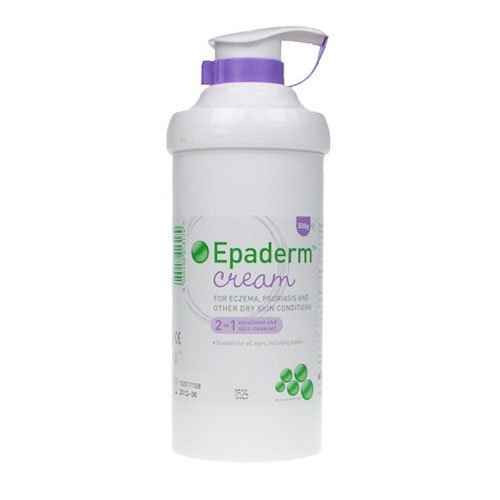
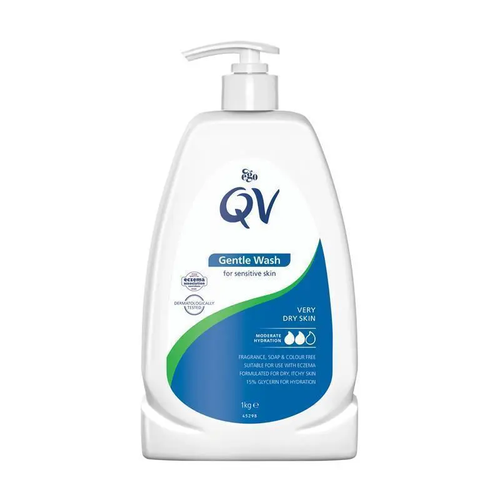
These are examples of a moisturiser and a soap-free wash for a dry-skin routine, not treatments for heat rash. They do not replace prescribed eczema treatment or medical advice about a new rash.
Moisturising and cleansing examples
When to see a doctor

If you already have eczema, follow your usual care plan. See a doctor if your symptoms are getting worse, your usual treatment is not helping, or itching is affecting your sleep or daily activities.2
If you think you have heat rash, see a doctor if it has not improved after a few days in cooler conditions. Get advice sooner if it covers a large area, looks unusual or keeps returning.1
- Seek urgent care for signs of infection with a rash, such as pus-filled lumps, surrounding redness or fever.1
- A child with eczema needs urgent medical review for a rapidly worsening rash with blisters or fever, or if they appear unwell.2
For a child with frequent or hard-to-manage eczema flares, ask their doctor about an Eczema Action Plan.5
Suspected heatstroke is a medical emergency. Call triple zero (000) for an ambulance.1
Make the conversation easier
When you ask for advice about a rash, explain:
- When did it begin, and where did you first notice it?
- How does it feel (prickly, itchy, dry or painful), and has its appearance changed?
- Is it new, or different from a condition you already manage?
- What has changed in your routine, and what have you tried?
- Is it affecting sleep or daily activities, or are you otherwise unwell?
Bring your existing care plan and the names of treatments you use, if you have them.
Frequently asked questions
Can heat make eczema worse?
Does heat rash always itch?
Should I stop moisturising my eczema in hot weather?
How long should I wait before getting heat rash checked?
Not sure what to do next?
Have a question about skin care or using an eczema treatment? Contact our pharmacist team for advice.
Contact the pharmacy team
Written by
SuperPharmacyPlus Pharmacist TeamRegistered pharmacists, SuperPharmacyPlus StaffordOur pharmacists work from our independent, locally owned pharmacy at 621 Stafford Road, Stafford, and support customers Australia-wide through our online shop.
References
- Heat rash: symptoms, causes and care, Healthdirect Australia (accessed 9 November 2026)
- Eczema: symptoms, triggers and care, Healthdirect Australia (accessed 9 November 2026)
- Miliaria (heat rash), Australasian College of Dermatologists (accessed 9 November 2026)
- Eczema (atopic dermatitis), Australasian Society of Clinical Immunology and Allergy (ASCIA) (accessed 9 November 2026)
- Eczema (atopic dermatitis): information for parents and carers, The Royal Children's Hospital Melbourne (accessed 9 November 2026)
← Back to Health & Mobility Advice
General educational information, not a diagnosis or an individual treatment plan. Do not change prescribed treatment without advice from your treating clinician.
Recent Posts
-
Nov 09, 2026
Can you use human shampoo on dogs?
For routine baths, choose a suitable dog-specific shampoo. The Australian Veterinary Association a … -
Nov 09, 2026
Heat rash vs eczema: differences and when to get help
Heat rash and eczema can both become uncomfortable in hot weather, but they have different causes. … -
 Sep 14, 2026
BJE100: What Amino Acids and Soluble Fibre Add to the Extract
BJE100 is BergaMet's new patented citrus bergamot extract, developed over the past two years by th …