Short vs. Tall Moon Boots: Which Should You Buy for Your Foot Injury?
Jun 08, 2026 SuperPharmacyPlus Pharmacist

Short vs. Tall Moon Boots: Which Should You Buy for Your Foot Injury?

Picking the right moon boot for foot injury can make a real difference to recovery. Both tall and short styles stabilise and protect the foot, but they’re designed for different injury levels and activity needs. This guide explains the benefits, comfort trade-offs, injury recommendations and features to consider, and points you to where trusted moon boots and mobility aids are available, including our trusted suppliers.

Functional Benefits:

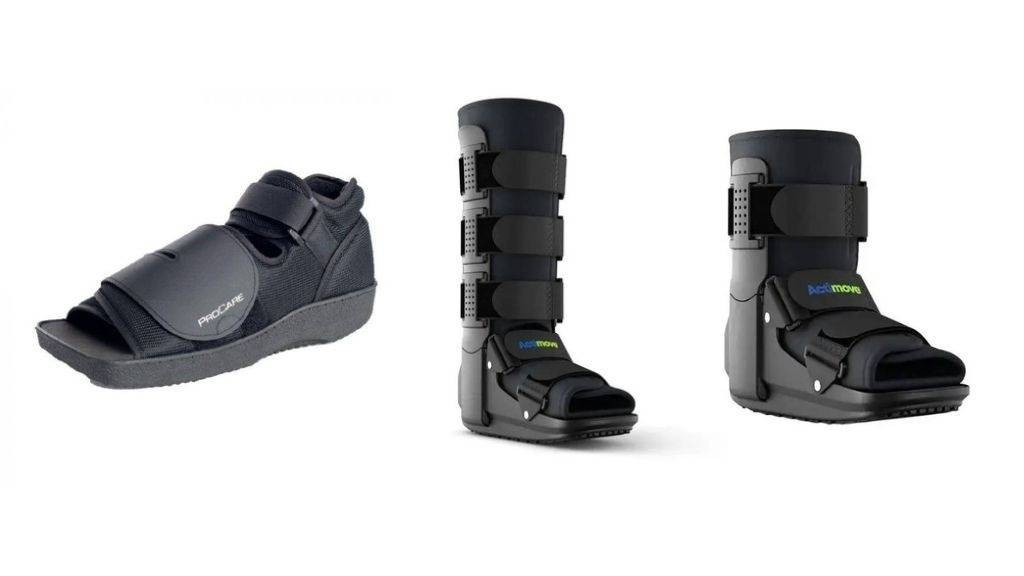
Tall and short moon boots suit different situations: tall boots give stronger immobilisation for more serious injuries, while short boots offer protection with greater mobility for milder injuries or ongoing management. Importantly, short boots are only advised for lower foot injuries below the ankle, including injuries to the foot and toes.

Tall Moon Boots:

Tall moon boots stabilise from ankle to calf to limit movement and protect more severe injuries. They help prevent further damage and support correct healing. Many models include cushioning and adjustable straps for extended wear and comfort.

Short Moon Boots (Low Rise):

Short moon boots give support with less bulk, allowing more natural movement. Their lighter build and strap systems suit cases where limited mobility is allowed, or for chronic issues where activity needs to be maintained. As noted, short boots are typically recommended only for foot injuries below the ankle, such as injuries to the toes or lower foot structures.

When can a Moon Boot be used?

Boots can help with many bone, ligament and soft tissue injuries.

1. Plantar fascia tears

2. Achilles tendon tears

3. Bone fractures and breaks

4. Severe ankle sprains

5. Post-surgical offloading (weight redistribution)

6. Tendon ruptures and tendonitis

Style and Benefits of Boot

1. Easy to take off and for washing feet, changing any dressings, apply ice.

2. Allows to continue walking, instead of using crutches and completely off-loading the foot and keeping it elevated.

3. The adjustable size of a walker means it can accommodate any changes in swelling.

4. An optional Air Walker can help stabilise fractures and reduce swelling.

5. Closed-toe and hard-shell options are also available for those returning to work.

6. Short Walkers are appropriate for foot or lower ankle injuries below the ankle.

7. Tall Walkers are appropriate for ankle and lower leg injuries.

Fit of Boot

1. The size of the moon boot is established by the size of the person's shoe - please consult the size chart on the stand.

2. The height of the boot is determined by the injury.

3. Undo all the Velcro straps to open the boot up completely.

4. Place the heel at the very back of the boot.

5. Do the straps up from bottom to top of the boot.

6. The boot should fit snuggly around the foot and leg.

7. There is extra padding that can be used to enable snug fit if necessary.

Comfort Differences:

Design priorities vary: tall boots prioritise immobilisation and protection, while short boots prioritise mobility and lighter wear. When choosing, weigh both support and cushioning to balance comfort with treatment needs.

Tall Moon Boots:

Tall models typically include extra padding and adjustable fittings to secure the limb. They can feel bulky, but that rigidity is useful when movement must be minimised for healing.

Short Moon Boots:

Short models focus on mobility with lighter construction and straps for a more customised fit. They’re well suited to lighter injuries or later rehab stages when some controlled movement is beneficial, specifically for injuries below the ankle.

Recommendations for Specific Injuries:

Match the boot to how severe the injury is and to your treatment goals for the best outcome. Remember, short boots are recommended only for lower foot injuries below the ankle.

Fractures:

Tall moon boots are generally preferred for fractures because their structure limits movement that could delay healing.

Ankle Sprains:

Mild to moderate sprains often do well with short boots that provide support while allowing controlled movement, typically for injuries below the ankle. More severe ankle sprains require tall boots.

Post-Operative Recovery:

After foot surgery, tall boots are commonly recommended to protect the surgical site during the early healing phase.

Chronic Ankle Conditions:

Short moon boots can offer ongoing support while permitting more natural motion, helping manage pain without full immobilisation; however, this applies primarily to lower foot or ankle conditions suitable for short boot use.

What Are the Different Types of Moon Boots for Foot Injury?

Moon boots are often described as high-rise (maximum immobilisation) and low-rise (ankle and foot) designs for transition and milder conditions. Note that low-rise or short boots are meant for injuries below the ankle, such as those to the lower foot and toes.

High Rise Moon Boots

High-rise boots deliver maximum immobilisation and longer-term protection when required, suitable for ankle and lower leg injuries.

Low Rise (Ankle and Below) Moon Boots

Low-rise boots support milder injuries and allow greater mobility during recovery and rehab, recommended for injuries below the ankle.

General Features to Look For

Check cushioning, adjustable straps and breathable materials to balance comfort and support.

1. Cushioned Soles: Improve comfort when walking and standing.

2. Adjustable Straps: Help you achieve a snug, stable fit during rehab.

3. Breathable Material: Helps reduce moisture and skin irritation.

How Do Short Moon Boots Support Foot Injury Recovery?

Short moon boots allow controlled mobility that promotes circulation and reduces stiffness, while still giving enough support for light activity and rehab exercises on injuries below the ankle.

When Are Tall Moon Boots Recommended for Ankle and Foot Injuries?

Tall moon boots are advised for acute conditions that need near-complete immobilisation — for example, serious fractures or the immediate post-operative period — to protect the affected area while it heals.

How Do Moon Boots Compare to Ankle Walkers as Foot Injury Mobility Aids?

Moon boots usually offer more rigid immobilisation for serious injuries, while ankle walkers permit greater flexibility and earlier weight-bearing for milder conditions. Discuss options with a clinician or consult specialist retailers like specialist suppliers.

What Are the Advantages of Using Cam Walker Boots in Australia?

Cam walker boots offer adjustable support, multiple straps for a secure fit, a rocker sole to assist gait and lightweight construction — features that make them versatile for a range of injuries and commonly recommended by clinicians.

Which Mobility Aid Is Best for Your Specific Injury Type?

The best option depends on injury severity and treatment goals: severe injuries often need tall boots; moderate injuries may suit short boots or cam walkers; minor sprains can sometimes be managed with braces or bandaging. Seek personalised advice from a healthcare professional.

What Should Australian Buyers Consider When Purchasing Moon Boots?

Check fit and sizing, material quality and the brand’s reputation in the healthcare sector before buying medical footwear.

How Does Sizing and Comfort Affect Moon Boot Choice?

Correct sizing and comfort are essential: a well-fitting boot supports recovery and mobility, while an ill-fitting boot can cause pain or delay healing. Prioritise accurate measurements and comfort when choosing.

Where Can You Purchase Trusted Moon Boots and Mobility Aids Locally?

Trusted moon boots and mobility aids are available from pharmacies, orthopaedic suppliers and reputable online stores. Choose retailers with proven quality and read about supplier credentials on our About Us page.

What Are Essential Recovery Tips When Using Moon Boots for Foot Injuries?

Moon boots are effective when used correctly: follow medical advice, check fit regularly and increase activity gradually under professional guidance.

1. Follow Your Doctor's Instructions: Stick to guidance on wear time and permitted activity.

2. Monitor for Discomfort: Watch for pressure points or poor fit and adjust as needed.

3. Gradually Increase Activity: Progress activity levels according to your provider’s recommendations.

How Long Should You Wear a Moon Boot for Optimal Healing?

Duration depends on the injury and your clinician’s advice, commonly ranging from several weeks to a few months. Attend follow-ups so your provider can reassess progress and adjust treatment.

What Are Common Precautions and Care Practices for Moon Boot Users?

Routine care reduces complications and helps the boot last longer.

1. Keep the boot clean and dry to prevent skin irritation.

2. Avoid excessive moisture inside the boot.

3. Check fit regularly to ensure ongoing comfort and support.

Frequently Asked Questions

1. Can I wear short moon boots for a severe injury?

No. Short moon boots usually don’t provide the immobilisation needed for severe injuries like fractures; tall boots are typically the safer option.

2. Are there any specific activities I should avoid while wearing moon boots?

Avoid running, jumping and sudden movements that could jeopardise healing. Follow your clinician’s advice about permitted activities.

3. How do I clean and maintain my moon boots?

Wipe the exterior with a damp cloth and mild soap. Do not soak or use harsh chemicals. Make sure the boot is fully dry before wearing it again to reduce the risk of skin problems.

4. Can children use moon boots, and what should I consider for sizing?

Children can use moon boots, but correct sizing is crucial — measure the foot and follow the manufacturer’s chart. Adjustable straps help keep a secure fit as the child moves.

5. How do moon boots impact mobility during recovery?

Moon boots control mobility according to their design: short boots let some movement (only recommended for injuries below the ankle), tall boots restrict motion to encourage healing. Your choice will affect how much activity is possible during recovery.

6. Are there any alternatives to moon boots for foot injuries?

Alternatives include ankle braces for flexibility and cam walkers for adjustable support. Talk with a healthcare professional to find the best option for your injury.

7. How long can I typically expect to wear a moon boot?

Expect to wear a moon boot from a few weeks to several months, depending on the injury and healing progress; your clinician will set and review the timetable.

Conclusion

Choosing the right moon boot — tall or short — can influence recovery by matching support to your injury and treatment goals. Short boots should only be selected for lower foot injuries below the ankle (including the toes), while tall boots are necessary for ankle and more severe injuries. Understand each type’s benefits, consult healthcare professionals like SuperPharmacy Plus for personalised recommendations and choose quality products to support safe recovery.
Jun 08, 2026 SuperPharmacyPlus Pharmacist

Recent Posts

Micro-Plush Waterproof Pillow Protector

Join Our Newsletter

Subscribe now to receive the latest updates, exclusive offers, and insights directly to your inbox.