Comparing Mobility Equipment for Elderly Needs
Navigating the world of mobility aids can feel a bit daunting when your safety, comfort, and ability to live independently depend on finding the perfect fit. This guide is here to simplify things. We’ll break down the main types of mobility equipment for seniors, compare walking aids, wheelchairs, scooters, home modifications, and bathroom safety solutions. Plus, we’ll show you how NDIS funding and expert advice from SuperPharmacyPlus can help you or your loved ones across Australia. You’ll discover:
- The different kinds of mobility equipment and when to use them
- The key differences between walkers, rollators, canes, and sticks
- What to consider when picking out wheelchairs or scooters
- How to make your home and bathroom safer to prevent falls
- How NDIS funding works and what aids it can cover
- Important factors like your health, environment, portability, and budget
- The value of professional guidance from occupational therapists and pharmacists
What Are the Main Types of Mobility Equipment for Seniors?
What Walking Aids Are Best for Elderly Australians?
Walking aids offer crucial stability and confidence for seniors experiencing mild to moderate difficulties with their gait. Some of the most popular choices include:
- Single-point canes for minimal support and easy carrying
- Quad canes with a four-pronged base for enhanced balance
- Two-wheeled walkers that provide front support without a seat
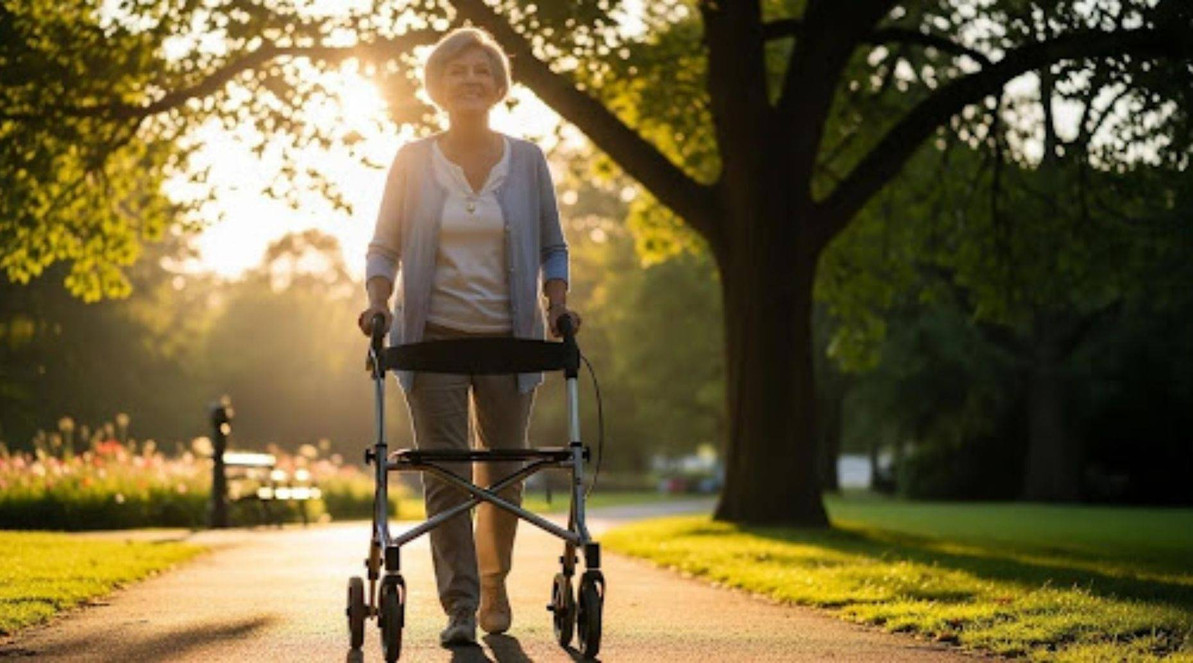
- Four-wheeled rollators which combine easy movement, brakes, and a built-in seat
By carefully matching these aids to your strength and balance needs, you can find a device that helps you walk more safely both inside and outside. Understanding these options will prepare you to explore more substantial mobility solutions, like wheelchairs and scooters, in the next section.
How Do Wheelchairs and Mobility Scooters Compare for Senior Use?
| Equipment | Ideal Distance | Steering Mechanism | Seating Feature |
|---|---|---|---|
| Manual wheelchair | Short trips, mostly indoors | Propelled by user's arms | Basic sling seat |
| Electric wheelchair | Varied indoor and outdoor use | Joystick control | Comfortable, adjustable padding |
| Travel mobility scooter | Pavements and local errands | Handlebar steering (tiller) | Compact seat |
| Heavy-duty scooter | Longer journeys on roads | Handlebar steering (tiller) or joystick | Luxurious, supportive seat |
What Home Accessibility Solutions Support Elderly Independence?
Making a few simple changes around the house can remove obstacles and help you continue living independently for longer. Some common and effective solutions include:
- Ramps to make doorways and small steps easier to navigate
- Stairlifts that allow you to travel between floors comfortably while seated
- Vertical platform lifts for overcoming short sets of stairs
- Automatic door openers to make entering and exiting rooms effortless
These modifications can be integrated into your existing home structure and adapted to various layouts. Planning these upgrades ensures a smoother transition from using mobility devices to having a safer living environment, which complements the bathroom safety aids we’ll look at next.
Which Bathroom Safety Aids Are Essential for Fall Prevention?
Bathrooms are notoriously high-risk areas for falls due to wet surfaces and limited places to grip. Key safety aids include:
- Grab bars strategically placed near showers, baths, and toilets
- Shower chairs with non-slip feet and drainage holes for secure seating
- Raised toilet seats that reduce the need to bend deeply
- Transfer benches that allow safe entry and exit from bathtubs
- Bath lifts that provide powered assistance to raise and lower you in the tub
Top Strategies for Reducing Fall Risks in Bathrooms
Falls in the bathroom are a significant concern for elderly Australians, with wet surfaces and confined spaces contributing to a high percentage of falls among older adults. Implementing safety modifications such as non-slip mats, grab bars, and raised toilet seats can significantly reduce these risks and enhance safety.
INS LifeGuard, 2024
This information directly supports the article's emphasis on essential bathroom safety aids for fall prevention and improving elderly mobility.
Next, we’ll dive deeper into how different walking aids compare, helping you find the perfect balance of support and ease of movement.
How Do Walking Aids Differ: Walkers, Rollators, Canes, and Sticks?
What Are the Benefits and Drawbacks of Walkers vs. Rollators?
| Feature | Walker (Zimmer Frame) | Rollator (4-Wheel) |
|---|---|---|
| Stability | Very high | Moderate |
| Manoeuvrability | Low | High |
| Seating | No | Yes |
| Braking System | None | Yes |
| Portability | Can be bulky | Folds for easier transport |
| Ideal Use | Indoors, for precise support | Outdoor strolls, with opportunities to rest |
When Should Seniors Choose Canes or Walking Sticks?
Canes and walking sticks provide minimal support and are very easy to carry, making them ideal for those with only slight balance concerns. Seniors might consider:
- Single-point canes if support for one hand is sufficient
- Quad canes if more side-to-side stability is needed
- Ergonomic handles to reduce discomfort and strain on the hands
These aids are perfect for occasional balance issues and are simple to store. Looking at features like folding mechanisms and overall weight can further refine your choice.
How Do Features Like Folding and Weight Affect Walking Aid Choice?
What Factors Should Seniors Consider When Choosing Wheelchairs or Mobility Scooters?
What Are the Differences Between Manual and Electric Wheelchairs?
Manual wheelchairs require the user to propel themselves using their arm strength, whereas electric wheelchairs are battery-powered and controlled with a joystick:
- Manual Wheelchairs can offer a good upper-body workout but demand consistent arm strength and endurance.
- Electric Wheelchairs provide effortless movement and adjustable seating positions, but they require regular charging.
The choice between them often comes down to balancing your physical capabilities with the need for battery maintenance. The nuances of choosing a scooter are covered next.
How Do Mobility Scooters Vary by Travel, Pavement, and Road Use?
| Scooter Type | Speed (km/h) | Range (km) | Terrain Suitability |
|---|---|---|---|
| Travel Scooter | 6 | 15 | Smooth, flat pavements |
| Pavement Scooter | 8 | 25 | Varied footpaths and light inclines |
| Road-Ready Scooter | 12 | 50 | Quiet roads and moderate gradients |
Which Option Offers Better Independence and Safety for Seniors?
Powered mobility device use in residential aged care: a retrospective audit of incidents and injuries
A study in Australian residential aged care facilities found that powered mobility devices (PMDs), including wheelchairs and scooters, are highly valued by older Australians for facilitating personal and community mobility. However, incidents related to PMD use, such as collisions, tips, and falls, occur annually, underscoring the importance of safe usage and appropriate training.
Dickson, N. C., Gohil, A., & Unsworth, C. A., BMC Geriatrics, 2023
Manual wheelchairs and travel scooters tend to be simpler and lighter, making them ideal for shorter trips. Evaluating your daily activities will help clarify which solution best supports your independence goals. Following this, we’ll look at how the NDIS might be involved.
How Does NDIS Funding Impact Wheelchair and Scooter Selection?
How Can Bathroom Safety Aids Improve Elderly Mobility and Prevent Falls?
What Are the Key Features of Grab Bars, Shower Chairs, and Raised Toilet Seats?
The most effective bathroom aids combine non-slip materials, comfortable designs, and secure installation:
| Aid Type | Feature | Benefit |
|---|---|---|
| Grab Bar | Textured grip surface | Provides a secure hold, even when wet |
| Shower Chair | Adjustable leg height | Allows for a customised, comfortable seating position |
| Raised Toilet Seat | Secure locking mechanism | Makes standing up from the toilet easier and safer |
How Do Transfer Benches and Bath Lifts Enhance Bathroom Accessibility?
Transfer benches help bridge the gap between a wheelchair and the edge of the tub, while bath lifts provide powered assistance to get you in and out of the bath with minimal effort. Both of these solutions:
- Reduce the need to bend and strain your lower body
- Minimise the risk of slipping during transfers
- Can often be installed without major bathroom renovations
Incorporating these aids can make your bathing routine much safer and more comfortable. This leads us to the selection criteria for bathroom equipment.
What Should Seniors Look for When Choosing Bathroom Safety Equipment?
When selecting bathroom safety equipment, seniors should prioritise:
- Stability: Look for wide bases and non-slip feet.
- Adjustability: Ensure the height and features can be adjusted to suit your needs.
- Material Quality: Opt for rust-resistant materials like aluminium or stainless steel.
- Ease of Installation: Consider how simple it is to set up without causing major disruption.
Carefully evaluating these factors ensures each aid provides reliable support. The following section will explain how the NDIS can help you access this equipment.
What Role Does NDIS Funding Play in Accessing Mobility Equipment in Australia?
Who Is Eligible for NDIS Mobility Equipment Funding?
To be eligible, you generally need to:
- Be an approved NDIS participant
- Have a funding plan that includes Assistive Technology or Capacity Building Supports
- Have a clinical recommendation from a registered therapist or allied health professional
Meeting these requirements helps ensure that funding is allocated based on your individual mobility goals. The application process is outlined next.
How Does SuperPharmacyPlus Support NDIS Participants in Equipment Selection?
- Occupational therapy consultations to help you find the perfect device.
- NDIS quote preparation and assistance with navigating your plan.
- Ongoing support after purchase for setup and maintenance.
Our comprehensive service ensures you get the right equipment funded through your plan, making the process smoother. Now, let's look at the broader factors to consider when comparing mobility aids.
What Are the Key Factors to Consider When Comparing Mobility Equipment for Elderly Needs?
How Do Physical Condition and Health Affect Equipment Choice?
Your underlying health conditions, such as arthritis, balance issues, or breathing difficulties, will influence the level of support you need and the design of the equipment. For instance:
- Arthritis might mean you need padded handles and a lightweight frame.
- Parkinson’s disease can often be managed better with rollators that have reliable braking systems.
Matching the equipment's features to your specific health needs helps prevent overexertion and encourages long-term use. This brings us to environmental factors.
What Environmental Factors Influence Mobility Aid Suitability?
The spaces you navigate daily—whether narrow indoor hallways, tight doorways, or uneven outdoor paths—will influence the type of mobility aid that works best. Consider:
- Narrow frames for easy movement through hallways.
- Adjustable suspension for smoother travel on rougher surfaces like gravel paths.
- Compact batteries to ensure sufficient range for everyday errands.
Thinking about where you’ll primarily use the aid will help you determine which specifications are most important. User comfort and portability are also key considerations.
How Important Are Portability, Comfort, and Ease of Use?
How Does Budget and Funding Availability Affect Decisions?
Your budget, whether personal or through NDIS funding, will play a significant role. Seniors should:
- Check funding limits and any out-of-pocket expenses.
- Compare the long-term costs, such as battery replacements or servicing.
- Consider the expected lifespan of the device and its warranty.
Balancing cost with functional needs is the final step in the comparison process, leading us to expert advice for making the best choice.
What Expert Advice Does SuperPharmacyPlus Offer for Choosing Mobility Equipment?
How Do Occupational Therapists Assist in Selecting the Right Mobility Aids?
What Tips Do Pharmacists Provide for Safe and Effective Equipment Use?
How Can Seniors Benefit from Personalized Consultations at SuperPharmacyPlus?
What Are the Most Frequently Asked Questions About Mobility Equipment for Seniors?
What Is the Best Mobility Aid for Balance and Stability?
How Do Walkers and Rollators Differ in Function and Use?
What Are the Benefits of Using Mobility Scooters vs. Wheelchairs?
How Can I Access NDIS Funding for Mobility Equipment?
What Bathroom Safety Aids Are Recommended for Fall Prevention?
Conclusion
Recent Posts
-
Sep 14, 2026
What do the added amino acids and soluble fibre bring to BJE100?
BJE100 is BergaMet's new patented citrus bergamot extract, developed over the past two … -
 Sep 12, 2026
Why does Eagle Tresos Natal contain both 5-MTHF and folinic acid?
Eagle Tresos Natal is a one-a-day multivitamin and mineral formula designed to provide … -
 Sep 10, 2026
How does BJE100 differ from the earlier BPF99 bergamot extract?
BJE100 is BergaMet's new patented citrus bergamot extract, developed over the past two …