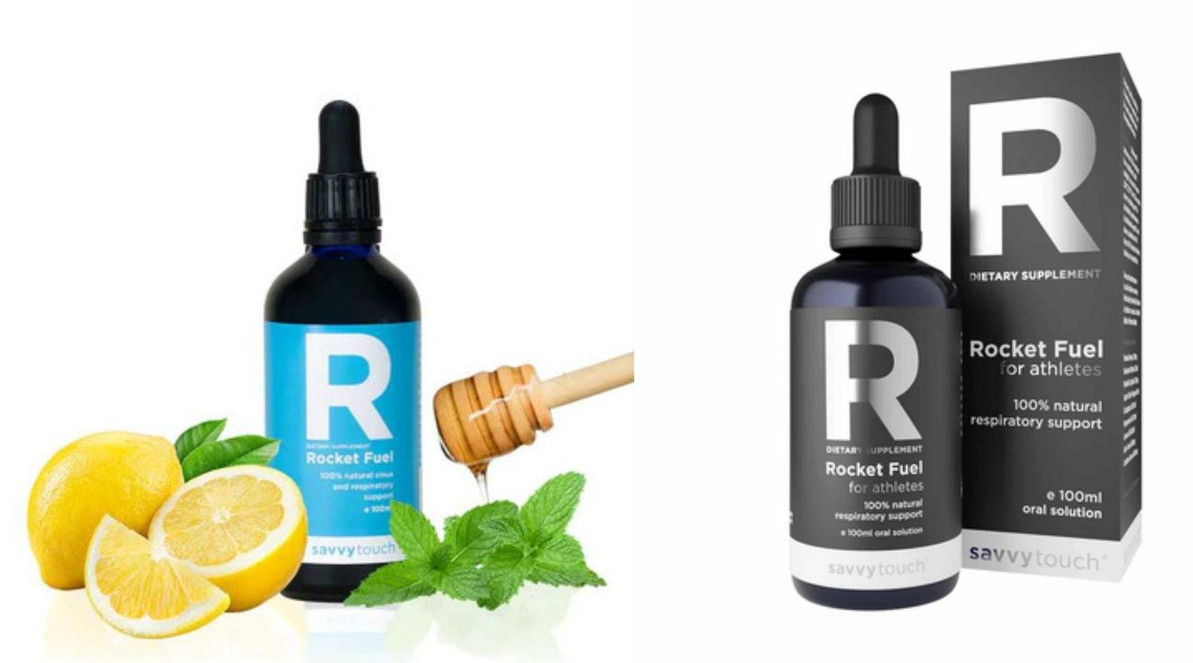
Who Should Avoid Using Savvy Touch Rocket Fuel?
Mar 06, 2026 SuperPharmacyPlus Pharmacist

Who Should Avoid Using Savvy Touch Rocket Fuel?

Savvy Touch Rocket Fuel is an over‑the‑counter, natural respiratory support product that blends Manuka honey with concentrated essential oils — menthol, eucalyptus, peppermint and lemon — to ease throat and chest discomfort. This guide explains who should avoid Rocket Fuel and why, looking at life stages, allergy risks, medical conditions, likely side effects and sensible dosing. You’ll find which groups need to take extra care, how bee‑product and essential‑oil sensitivities affect safety, which chronic conditions may interact with ingredients, and when to stop use and seek medical help. We’ve turned that information into practical recommendations, short checklists and easy‑to‑scan tables so you can quickly assess your risk and next steps. Where helpful, we note that SuperPharmacy Plus — an independent Australian pharmacy owned by six local pharmacists — offers pharmacist consultations and product access to support safe use. The sections below cover high‑risk groups, ingredient sensitivities, condition‑specific advice, side‑effect monitoring, dosing for adult and kids variants, and when to consult a healthcare professional.

Which key groups should take care or avoid Savvy Touch Rocket Fuel?

Savvy Touch Rocket Fuel can help many people, but some groups face higher risk because it contains Manuka honey and concentrated essential oils. Below we list the main groups who should be cautious or avoid the product, explain why, and give immediate practical steps — such as patch testing, speaking to a pharmacist, or choosing a suitable alternative. Each entry links the ingredient effect (for example, menthol on airways or honey’s allergenicity) to the likely concern so you can act quickly and safely.

  • Pregnant or breastfeeding people: There’s limited safety data for internal use of concentrated essential oils during pregnancy or lactation and some oils have theoretical risks. Speak with your GP or pharmacist before using.
  • Children below recommended ages: Standard formulas often contain menthol and eucalyptus at strengths not suitable for young children — use age‑appropriate versions or ask a paediatrician or pharmacist.
  • People with bee‑product allergies: Manuka honey is a bee product and can trigger allergic or anaphylactic reactions — avoid if you have a known allergy.
  • Individuals with asthma or reactive airways: Menthol and eucalyptus can irritate sensitive airways and may provoke bronchospasm in some people — only trial under supervision if at all.
  • People with diabetes or strict carbohydrate management: Honey contains sugars that can affect blood glucose — check with your diabetes care team before use.
  • People on multiple prescription medicines or with complex chronic disease: There’s potential for interactions or masking of symptoms — get a pharmacist or GP review first.
    If you fall into any of these higher‑risk groups, speak to a healthcare professional before starting Rocket Fuel. Where possible, get a pharmacist review for tailored advice on suitability and dosing. SuperPharmacy Plus — an independent Australian pharmacy owned by five local pharmacists — offers in‑store and online pharmacist consultations to help you check product suitability; our aim is to give clear, practical advice so you can make safe choices.

Why should pregnant and breastfeeding people check with a healthcare professional?

Pregnancy and breastfeeding need extra caution because essential oils are biologically active and can cross biological barriers. Evidence on internal use of concentrated essential oils in pregnancy and lactation is limited; some oils carry theoretical risks (for example, hormonal or uterine effects). Essential‑oil constituents can also transfer into breast milk or affect an infant’s mucous membranes after ingestion. A GP or pharmacist can assess the individual risk–benefit and suggest safer alternatives. If you’re pregnant or breastfeeding and notice throat irritation, allergy signs or any unusual symptoms after use, stop straight away and seek medical advice.

What are the age limits for children using Savvy Touch Rocket Fuel?

Age guidance reflects ingredient strength and children’s developing airways and metabolism. Standard Savvy Touch Rocket Fuel usually contains menthol and eucalyptus levels suited to older children and adults, while the 'Rocket Fuel for Kids' variant is formulated with reduced menthol and adjusted dosing for younger users. For infants and very young children, even milder formulas can irritate or affect breathing, so always get paediatric advice before use. Parents should choose age‑specific products, follow the label dosing exactly, and consult a paediatrician or pharmacist if the child has asthma or prior essential‑oil sensitivity. When unsure, a professional can recommend safer options such as honey‑only lozenges, saline therapy or other non‑medicated approaches.

Which allergies and ingredient sensitivities make Rocket Fuel unsafe?

Several ingredients in Savvy Touch Rocket Fuel have known allergy or sensitivity profiles, from local irritation to systemic allergic reactions. Below we define the main allergy types relevant to the formula — bee‑product allergy and essential‑oil sensitisation — then give straightforward “avoid if” advice for each ingredient plus practical steps like patch testing, stopping at first sign of reaction, and seeking urgent care for severe symptoms. Knowing which ingredient causes risk helps you pick safe alternatives or ask a pharmacist for screened options.

If you suspect an ingredient sensitivity, you can patch test a small amount on the inner forearm and stop immediately if redness or itching appears, then consult a pharmacist or GP. Note that patch testing doesn’t predict inhalation or ingestion reactions reliably, so anyone with a history of systemic allergy should seek medical review. The table below maps key ingredients to their allergy risks and recommended actions.

IngredientAllergy / Sensitivity RiskWhat to watch for / Recommended action
Manuka honeyBee‑product allergy; can cause systemic reactionsAvoid if you’re allergic to bee products. Watch for rash, swelling or breathing difficulty — seek urgent care if severe.
MentholContact or respiratory irritation; possible bronchospasmAvoid if you have menthol sensitivity or reactive airways. Stop use if you develop cough or bronchospasm.
Eucalyptus oilSkin and airway sensitiser; can irritate mucous membranesPatch test for topical exposure; avoid ingestion if you’re sensitive and talk to a pharmacist about alternatives.
Peppermint oilGI and airway sensitivity; may worsen refluxAvoid if you have reflux or known paediatric sensitivity. Watch for throat tightness or stomach upset.
Lemon oilCitrus sensitiser; topical phototoxicity riskAvoid internal use if you have a citrus allergy. Stop if irritation occurs and seek an alternative.
This quick map helps you spot which ingredient is the main concern and what to do next. If you’re still unsure, speak with a pharmacist for tailored advice and safer product suggestions.

How do bee‑product allergies affect safety with Savvy Touch Rocket Fuel?

Bee‑product allergy is a significant contraindication because Manuka honey contains proteins that can trigger allergic reactions in sensitised people. Reactions range from local hives and angioedema to life‑threatening anaphylaxis — symptoms can include breathing difficulty, facial or throat swelling, rapid heartbeat and collapse. Anyone with a documented allergy to bee stings, royal jelly, propolis or honey should avoid Manuka products and have an action plan. If exposure occurs and severe symptoms develop, call emergency services immediately. For suspected milder sensitivities, stop the product and see a pharmacist or GP to confirm the allergy and discuss non‑bee alternatives such as demulcents or saline throat remedies.

Which essential‑oil allergies matter before using Rocket Fuel?

Menthol, eucalyptus, peppermint and lemon are common sensitizers that can cause skin irritation, mucosal burning, coughing or respiratory distress in sensitive individuals. Reactions may be immediate (throat tightness, wheeze, cough) or delayed (contact dermatitis). Ingesting concentrated oils increases risk of systemic effects. If you have eczema, allergic rhinitis or previous reactions to essential‑oil products, use oral or inhaled preparations cautiously and ideally under pharmacist guidance. If you get tingling, burning, persistent coughing or breathing difficulty after first use, stop immediately and seek medical advice. For mild irritation, a pharmacist can often recommend lower‑strength or alternative formulations; supervised trial dosing and patch testing may help but should be guided by a healthcare professional.

Which medical conditions require caution with Savvy Touch Rocket Fuel?

Chronic medical conditions can change how ingredients affect the body, so a pre‑use review is important. Below we outline condition‑specific concerns and practical guidance on when to modify use, monitor closely, or avoid the product. The aim is to help you spot red flags quickly and decide whether a pharmacist or GP review is needed before starting Rocket Fuel.
Medical ConditionPotential Risk / InteractionGuidance / Consult advice
Asthma / Reactive airwaysMenthol and eucalyptus may irritate airways and trigger bronchospasmConsult your respiratory clinician. Only trial under supervision and stop if wheeze or increased coughing occurs.
Diabetes / Glycaemic controlManuka honey contains sugars that can raise blood glucoseMonitor blood glucose after first use, consult your diabetes care team, and consider sugar‑free alternatives.
Immune disordersUnclear effects on immune modulation; possible atypical reactionsGet specialist input before use. Avoid if you’re on immunosuppressants without medical clearance.
Polypharmacy / Multiple medsMay mask symptoms or interact with other treatmentsBring a full medicine list to a pharmacist for an interaction check and personalised advice.
Skin / dermatologic sensitivityEssential oils can worsen dermatitis or cause contact allergyAvoid topical contact. Patch test if unsure and choose fragrance‑free options where possible.
Use this table to decide if you need extra review before trying the product. For many people, a quick pharmacist consultation will highlight any safety concerns and suggest suitable alternatives.

How should people with respiratory conditions approach Savvy Touch Rocket Fuel?

If you have asthma or COPD, take special care. Menthol and eucalyptus can relieve the sensation of congestion for some, yet in others they can trigger coughing, wheeze or bronchospasm. Your response is individual — if you’ve had essential‑oil–related bronchospasm before, avoid it. If you and your clinician decide to try Rocket Fuel, start with a single small dose in a controlled setting, monitor your breathing closely, stop immediately if symptoms worsen, and follow up with your GP or respiratory specialist.

What should diabetics and people with other chronic conditions consider?

Manuka honey contains natural sugars that can affect blood glucose, so people with diabetes should count its carbohydrate content and monitor levels after first use. Small amounts can still raise post‑meal glucose in sensitive individuals, and medication changes should only be made under medical guidance. Other chronic conditions — for example autoimmune disorders or patients on immunosuppressants — may change how you respond to natural supplements, so specialist input is sensible. If you manage multiple conditions or medicines, bring a full list to a pharmacist for a tailored interaction and safety check.

What side effects and adverse reactions should users watch for?

Savvy Touch Rocket Fuel can cause predictable mild effects and, less commonly, serious allergic reactions. Knowing what to expect helps you act quickly and reduce harm. Below we list common mild effects, identify red flags for serious reactions, and set out stepwise actions to take if something goes wrong — so you can tell when a reaction is likely transient versus when it needs urgent attention.

  • Throat tingling or mild burning: Often short‑lived and related to menthol or citrus oils.
  • Temporary change in taste or smell: Menthol and peppermint can alter perception temporarily.
  • Mild gastrointestinal discomfort: Some people experience nausea or heartburn after peppermint or honey.
  • Localised skin irritation: Essential oils can cause contact dermatitis if the product touches skin.
    For mild effects, stop use if they’re bothersome and ask a pharmacist about lower‑strength or alternative products. If symptoms persist or worsen, see your GP. If you get signs of a systemic allergic reaction — widespread hives, facial or throat swelling, breathing difficulty, dizziness or fainting — seek emergency medical help immediately and stop using the product. Reporting adverse events to a healthcare professional also helps identify any recurring issues with a product batch.

What are the common mild side effects?

Mild side effects usually relate to sensory and gastrointestinal effects of essential oils and Manuka honey and are generally short‑lived when the product is used correctly. You may notice throat tingling, a brief burning feeling, altered taste or transient coughing — these typically settle within minutes to hours after stopping. Peppermint can cause mild nausea or reflux in some people; taking the product with a small amount of food may help. For mild reactions, stopping use and speaking with a pharmacist about a gentler option is usually enough; persistent or worsening symptoms should be reviewed by your GP.

When should I stop using the product because of adverse reactions?

Stop immediately if you develop red‑flag symptoms: progressive throat tightness, swelling of the face or tongue, new wheeze or severe breathlessness, chest tightness, dizziness or fainting, or a rapidly spreading rash. In those situations, follow local emergency advice (for example call emergency services and administer adrenaline if someone is known to be anaphylactic). For less severe but ongoing issues — persistent cough, worsening reflux or dermatitis — cease use and arrange prompt pharmacist or GP follow‑up to find safer alternatives. Make a note of the reaction and share the details with your pharmacist to prevent re‑exposure.

How should Savvy Touch Rocket Fuel be used safely and what are the dosage guidelines?

Safe use means picking the right variant for age, following the label dose, and knowing when to reduce or skip doses because of sensitivity or interactions. Below we give practical dosing pointers for adults and children, tips to reduce irritation, and a comparison of the standard product versus the 'Rocket Fuel for Kids' variant. The table summarizes ingredients, recommended ages, typical dosing and key cautions to help you choose.
Product VariantTypical Key IngredientsRecommended AgesTypical DosageKey Cautions
Standard Rocket FuelManuka honey, menthol, eucalyptus, peppermint, lemonAdults and older children (follow label guidance)Follow product labelling; usually a measured lozenge or spoon doseNot for people with bee‑product allergy; monitor blood glucose if diabetic
Rocket Fuel for KidsManuka honey, reduced menthol, milder eucalyptus, less peppermintYoung children where label permits (age‑specific)Smaller, age‑adjusted doses as per packaging; seek paediatric advice for <2 yearsNot suitable for infants under 12 months; consult a paediatrician if asthma is present
Manuka‑only lozenge alternativesManuka honey with minimal or no oilsWhere honey is appropriate by age (observe age restrictions)Follow label dosing; be mindful of sugar contentAvoid if bee‑product allergy or for infants under 12 months
This comparison shows why the kids variant reduces essential‑oil potency and uses smaller doses to lower risk. Always follow the product label and ask a pharmacist if you’re unsure.

What are the recommended dosages for adults and children?

Follow the product label for dosing — it balances effect and safety. Adults generally use the standard lozenge or spoon dose at the intervals stated, while children need reduced, age‑appropriate doses. Use the Rocket Fuel for Kids option when the label specifies an age range, and never scale adult doses down by weight without professional advice. If the user has a history of sensitivity or chronic illness, start at the lowest recommended dose and observe for several hours; stop if irritation appears. For any dosing doubts — especially for children under five, people with asthma, or those on multiple medicines — consult a pharmacist for personalised guidance.

How does the 'Rocket Fuel for Kids' variant differ in ingredients and dose?

The 'Rocket Fuel for Kids' variant is formulated with reduced menthol and lower essential‑oil concentrations to reduce airway irritation and systemic effects in children. Manuka honey remains the primary soothing ingredient while volatile oils are moderated to ease symptoms with fewer sensory effects. Doses are smaller and usually delivered as a child‑friendly lozenge or measured spoon. Caregivers should stick strictly to the label and never use these products in infants under 12 months unless a paediatrician advises otherwise. Move between variants only based on age, tolerance and clinical advice, and stop immediately if any intolerance appears.

When should you consult a healthcare professional about Savvy Touch Rocket Fuel?

See a healthcare professional when symptoms persist, you have underlying health issues, medication interactions are possible, or you experience adverse reactions. Below are common triggers for professional review, what pharmacists can offer during a safety check, and practical next steps for arranging help.

1. Persistent or worsening respiratory symptoms beyond the expected course — this may signal an infection or other condition that needs medical assessment.

2. History of severe allergies or prior anaphylaxis — get specialist advice before exposure to bee products or essential oils.

3. Pregnancy or breastfeeding — a professional can weigh potential risks and suggest safer options.

4. Diabetes or other conditions affected by sugar intake — consult your diabetes care team or a pharmacist to adjust management.

5. Use of multiple prescription medicines or immunosuppressants — a pharmacist can screen for interactions and advise on safety.

If any of the above apply, or if red‑flag symptoms develop, seek urgent review. Pharmacists can perform quick, practical safety checks for everyday concerns. SuperPharmacy Plus offers pharmacist reviews both in‑store at 621 Stafford Road, Stafford QLD 4053 and online — our pharmacists aim to help you live healthier by giving clear advice, safe product choices and convenient access to services. Bring a current medicines list, allergy history and symptom details to make the consultation focused and effective.

Why seek medical advice for persistent symptoms or underlying health issues?

Using symptomatic supplements can sometimes mask a condition that needs medical treatment, such as a bacterial infection or an asthma flare. If symptoms persist, worsen, or come with systemic signs like fever, unintentional weight loss, night sweats or marked breathlessness, see your GP to find the underlying cause. Early review prevents complications and ensures symptomatic treatments like Rocket Fuel aren’t hiding a more serious problem. For chronic issues, coordinated care with specialists may be necessary to balance symptom relief and long‑term management.

How can SuperPharmacy Plus pharmacists help with product safety?

Our pharmacists can check ingredients, screen for allergy risks, assess interactions with your current medicines, and recommend safer alternatives or adjusted dosing. In‑store consultations at our Stafford QLD pharmacy let you present medication lists and allergy histories for an immediate review, while online enquiries can provide preliminary guidance and direct you to in‑store services when needed. Pharmacists can also advise on patch testing, supervised trial approaches and when to refer to a GP or specialist. Their role is practical and patient‑centred: reduce risk, suggest evidence‑based alternatives, and give clear, personalised recommendations.

Frequently Asked Questions

What should I do if I have an allergic reaction after using Savvy Touch Rocket Fuel?

If you suspect an allergic reaction, stop using the product straight away and monitor your symptoms. Seek emergency medical attention if you develop difficulty breathing, swelling of the face or throat, or widespread hives. For milder reactions — localised itching or a small rash — contact a pharmacist or healthcare professional for advice on managing the reaction and to discuss safer alternate products.

Can Savvy Touch Rocket Fuel be used with other medications?

Combining Rocket Fuel with other medicines can carry risks, especially if you’re on several prescriptions or have chronic health conditions. Always consult a pharmacist or healthcare professional before using it alongside other treatments. Bring a complete list of your medicines to ensure a thorough interaction check and personalised recommendations.

How can I tell if Savvy Touch Rocket Fuel is suitable for my child?

Check the product label for age limits and dosing. For children, prefer the 'Rocket Fuel for Kids' variant, which uses lower essential‑oil levels. If your child has respiratory issues or allergies, speak with a paediatrician or pharmacist before starting any new supplement to make sure it’s safe.

What signs mean I should stop using Savvy Touch Rocket Fuel?

Stop using the product if you develop concerning symptoms such as persistent throat tightness, trouble breathing, significant gastrointestinal upset, worsening cough, new skin irritation, or any allergic signs. If these occur, discontinue use immediately and consult a healthcare professional for further assessment and safer options.

Is it safe to use Savvy Touch Rocket Fuel if I have asthma?

If you have asthma, approach Rocket Fuel with caution. Menthol and eucalyptus can irritate sensitive airways and may trigger bronchospasm. Speak with a respiratory specialist or pharmacist first and consider a supervised trial. If you try it, start with a very small dose and stop right away if you notice any adverse respiratory symptoms.

What alternatives are available for people who can’t use Savvy Touch Rocket Fuel?

If Rocket Fuel isn’t suitable, alternatives include honey‑only lozenges without essential oils, saline throat sprays, or soothing herbal teas. A pharmacist can recommend the best option for your particular sensitivities and health needs.

How should I store Savvy Touch Rocket Fuel safely?

Store Rocket Fuel in a cool, dry place away from direct sunlight and moisture. Keep the cap tightly closed to avoid contamination, check the expiry date before use, and keep it out of reach of children. If you notice any change in colour, smell or texture, don’t use it and ask a pharmacist for advice.

Conclusion

Knowing who should avoid Savvy Touch Rocket Fuel helps you use it safely and effectively. Identifying high‑risk groups and potential interactions lets you make informed choices that protect your health. For personalised advice or to explore safer alternatives, speak with a pharmacist at SuperPharmacy Plus. We’re here to help you make confident, safe decisions about respiratory support.
Mar 06, 2026 SuperPharmacyPlus Pharmacist

Recent Posts

Movemember

Join Our Newsletter

Subscribe now to receive the latest updates, exclusive offers, and insights directly to your inbox.