FreeStyle Libre 2 vs Dexcom ONE+: Which CGM Is Right for You?
Nov 28, 2025

FreeStyle Libre 2 vs Dexcom ONE+: Which CGM Is Right for You?

FreeStyle Libre 2 vs Dexcom ONE+: Which Continuous Glucose Monitor Is Right for You in Australia?

Continuous glucose monitors (CGMs) are wearable medical devices that measure glucose in interstitial fluid, providing near-real-time trend data to help people with diabetes make informed treatment and lifestyle decisions. This article compares two widely used systems — FreeStyle Libre 2 and Dexcom ONE+ — to explain how each measures glucose, how often they update readings, and what clinical and practical benefits users can expect. Many Australians weigh accuracy, alarms, wear time, cost and subsidy eligibility when choosing a CGM; this guide addresses each factor and maps device strengths to common user profiles. You will find device overviews, app and alert features, an accuracy and wear-time comparison with concise tables, NDSS subsidy context for Australia, and practical recommendations for different needs. By the end you should be able to identify which CGM fits your priorities — whether that’s cost and simplicity, continuous alerts, or caregiver sharing and pump integration.


What Are Continuous Glucose Monitors and How Do They Work?

A continuous glucose monitor (CGM) is a medical device that uses a small sensor placed under the skin to measure glucose levels in interstitial fluid and then reports values to a receiver or smartphone app at regular intervals. The mechanism relies on a biochemical sensing element that converts glucose concentration into an electrical signal, which the transmitter processes and the app displays as numeric values and trend arrows. The core benefit is persistent visibility of glucose trends and rates of change, enabling proactive adjustments to insulin, food, or activity that reduce hypoglycaemia and hyperglycaemia episodes. CGMs differ from finger-prick self-monitoring by offering continuous data rather than isolated snapshots; this continuous stream supports pattern recognition, time-in-range tracking and remote monitoring by caregivers. Understanding these fundamentals leads to comparing flash glucose monitoring versus real-time CGMs and how each fits daily diabetes management.


What Is the Difference Between Flash Glucose Monitoring and Real-Time CGM?

Flash glucose monitoring (FGM) systems require an intentional scan of the sensor to retrieve glucose values, while real-time CGMs continuously push readings to an app without a scan. FGM, exemplified by FreeStyle Libre 2 in its basic mode, provides on-demand readings and optional alarms, which suits users prioritising discretion and lower ongoing cost. Real-time CGMs like Dexcom ONE+ transmit values every few minutes and deliver configurable alerts for hypo- and hyperglycaemia, offering proactive safety for people at higher hypoglycaemia risk. Pros and cons highlight practical trade-offs:
  • Pros of FGM: simpler workflow, longer single-sensor wear, typically lower running cost.
  • Pros of real-time CGM: continuous alerts, caregiver sharing, better integration for insulin delivery.
  • Cons of FGM: fewer passive alerts unless alarms are enabled; cons of RT-CGM: higher sustained cost and more hardware complexity.
This comparison frames which technology suits lifestyle and clinical priorities and leads into device-specific feature discussions.


How Do CGMs Improve Diabetes Management for Australians?

CGMs improve diabetes management by increasing time in range through trend awareness, reducing the need for routine finger-pricks, and enabling faster responses to falling or rising glucose. For Australians, CGMs also support remote review by clinicians and carers via cloud reporting tools, improving treatment adjustments and safety for at-risk individuals. Practical outcomes include fewer severe hypoglycaemic events and improved glycaemic metrics when CGM data inform therapy decisions, especially in insulin-treated diabetes. Pharmacy and diabetes education support helps users interpret reports and implement changes safely; this guidance naturally leads to device-specific app capabilities and how sensors are applied.


What Are the Key Features and Benefits of FreeStyle Libre 2?

Freestyle 2 Plus

FreeStyle Libre 2 is designed as a user-friendly flash glucose monitoring system with a 14-day sensor life, optional Bluetooth alarms, and compatibility with a dedicated app for trend review and data export. The device’s mechanism and design prioritise low-complexity application and discrete wear under clothing, which benefits users seeking a low-maintenance CGM. Its strengths include 14-day wear, relatively compact sensor profile, and the LibreLink app for data review; limitations may include fewer built-in continuous alerts compared with full real-time CGMs unless Bluetooth alarms are enabled. These device attributes make FreeStyle Libre 2 a sensible option for people who prioritise affordability, simplicity and reduced finger-prick frequency.


How Does FreeStyle Libre 2’s Sensor Wear Time and Application Work?

The FreeStyle Libre 2 sensor is applied using a one-push applicator to clean skin and is approved for 14 days of continuous wear, after which the sensor is replaced with a new unit. Application steps include cleaning the placement site (typically the upper arm), lining up the applicator, and pressing to deploy the sensor, followed by a short startup period before readings begin. Users report the adhesive holds through showering and normal exercise when skin prep and fixation are correct; additional adhesive patches can help in water sports or heavy sweating scenarios. Practical troubleshooting focuses on ensuring the sensor sits flat and replacing early if the adhesive fails, which leads into how the LibreLink app manages data and alarms.


What App Compatibility and Alarm Features Does FreeStyle Libre 2 Offer?

LibreLink is the primary mobile app for FreeStyle Libre 2, providing trend graphs, time-in-range reports and data export options that support clinical review. Bluetooth-enabled Libre 2 sensors can transmit optional alarms for low and high glucose, but continuous push updates depend on app settings and device pairing; some features vary by smartphone platform. Data sharing is possible through exporting reports for clinicians or caregivers, though native caregiver push alerts are more limited than some real-time CGM ecosystems. Understanding these app capabilities helps users decide if Libre 2’s balance of simplicity and optional alarms matches their safety and monitoring needs.


What Are the Key Features and Benefits of Dexcom ONE+?

Which Continuous Glucose Monitor Is Right for You in Australia?
Dexcom ONE+ is a real-time CGM system that streams glucose readings approximately every five minutes to its mobile app, offering continuous alerts and cloud reporting for caregiver sharing and professional review. The system emphasises proactive safety with customizable alarm thresholds, frequent updates, and analytics via companion reporting tools designed to support clinical decision-making. Its strengths include robust alerting, easy caregiver sharing, and improved situational awareness during sleep or exercise; trade-offs include higher ongoing cost relative to simpler flash systems. These features make Dexcom ONE+ particularly valuable for users who need continuous alerts or integration with other diabetes technologies.


How Does Dexcom ONE+ Provide Real-Time Glucose Data and Alerts?

Dexcom ONE+ uses a sensor-and-transmitter assembly that measures interstitial glucose and sends values to the mobile app at roughly five-minute intervals, enabling near-continuous monitoring. Alerts can be customised for rapid falls, rapid rises, and absolute thresholds, making the system effective for preventing nocturnal hypoglycaemia or alerting caregivers when glucose deviates from target ranges. The Clarity reporting platform aggregates data for clinicians and supports pattern recognition and therapy adjustments. This continuous feed and alerting capability is particularly important for people with variable glucose responses or those using insulin pumps.


What Are the Sensor Wear Time and Transmitter Features of Dexcom ONE+?

Dexcom ONE+ typically uses a shorter single-sensor wear period than some flash systems, with a sensor-life of 10 days, coupled with a transmitter designed for multiple sensor cycles. The two-part design separates the single-use sensor from the reusable transmitter in some Dexcom systems, which can spread transmitter cost over multiple sensors and influence ongoing expenses. Users should follow manufacturer guidance for placement and transmitter maintenance to preserve performance and data continuity. These lifecycle attributes influence total cost and convenience when comparing to single-piece, longer-wear alternatives.


How Do FreeStyle Libre 2 and Dexcom ONE+ Compare: Accuracy, Wear Time, and User Experience?

FreeStyle Libre 2 and Dexcom ONE+ vary across accuracy metrics (MARD), data update frequency, wear life, alerting and app ecosystems; choosing depends on the priority given to continuous alerts versus simplicity and cost. Accuracy is commonly expressed as MARD (Mean Absolute Relative Difference), which quantifies average deviation from reference glucose measurements; lower MARD indicates closer agreement. Wear time differs (Libre 2 generally 14 days, Dexcom ONE+ typically 10 days), while Dexcom ONE+ provides continuous five-minute updates and richer alerting. User experience also varies: Libre 2 emphasises discrete wear and scanning workflows, while Dexcom ONE+ emphasises proactive alerts and caregiver sharing. The table below provides a concise technical comparison across core attributes.


What Are the Differences in Sensor Accuracy and MARD Values?

MARD (Mean Absolute Relative Difference) measures average absolute error relative to reference glucose and is a common way to compare sensor accuracy across CGMs. Lower MARD values generally indicate closer agreement with lab reference methods, which can translate to reduced need for confirmatory finger-prick checks in routine decision making. Direct numerical MARD comparisons can be affected by study conditions, calibration protocols and population characteristics, so practical relevance should be interpreted in clinical context. Clinicians often prioritise trends and reliable alarms over small numerical MARD differences, especially when selecting a system for hypoglycaemia-sensitive patients.


How Do Application, Comfort, and Discretion Compare Between Devices?

Application workflows differ: FreeStyle Libre 2 generally uses a one-piece applicator for a low-profile sensor that sits flat under clothing, while Dexcom ONE+ systems may involve a two-part sensor/transmitter arrangement that some users find slightly more noticeable. Comfort and discretion depend on sensor profile and placement; many users find Libre 2 very discreet under sleeves, whereas Dexcom ONE+ can be marginally bulkier but provides the trade-off of continuous alerts. Adhesive performance and skin sensitivity vary by individual, so practical measures—such as skin prep, adhesive boosters and placement rotation—reduce issues. These real-world considerations feed directly into cost and subsidy decisions for Australian users.


What Are the Costs, Subsidies, and Availability of freestyle libre 2 and Dexcom ONE+ in Australia?

Access and cost in Australia depend on retail availability and NDSS subsidy policies; sensor and transmitter costs are primary drivers of ongoing expense for both systems. The NDSS subsidy influences which people qualify for reduced-cost options, and retail pricing differences reflect sensor life and hardware design. For Australians navigating subsidy eligibility and purchase options, SuperPharmacyPlus acts as a local pharmacy and diabetes information hub: To provide a wide selection of trusted pharmacy and chemist products, offer convenient online and in-store shopping, and empower customers to live healthier lives by providing products and health support. The following table summarises cost-related attributes relevant to Australian users.


How Does the NDSS Subsidy Affect CGM Access for Type 1 and Type 2 Diabetes?

NDSS subsidy rules determine eligibility for subsidised CGM access; generally, subsidy frameworks prioritise people with insulin-treated Type 1 diabetes and those meeting clinical risk criteria, while access for Type 2 users is more limited. Eligibility affects whether sensors or parts are supplied at reduced cost through national programs and can significantly lower out-of-pocket expenses for ongoing sensor supplies. Australians seeking subsidy should verify current NDSS criteria and prepare clinical documentation to support applications; a pharmacy or diabetes clinic can assist with the procedural steps. Clear understanding of subsidy impact enables realistic budgeting and device selection.


How Can SuperPharmacyPlus Support Your CGM Purchase and Diabetes Management?

SuperPharmacyPlus provides product availability, in-store pickup and online ordering alongside diabetes management and advice services that help customers choose suitable CGM options. To provide a wide selection of trusted pharmacy and chemist products, offer convenient online and in-store shopping, and empower customers to live healthier lives by providing products and health support. Pharmacists and diabetes advisors at local pharmacies can review reports, explain app features and suggest practical steps for application and integration with daily routines. Consulting pharmacy professionals helps translate device specifications into day-to-day usability and cost planning.


Who Should Choose FreeStyle Libre 2 or Dexcom ONE+ for Their Diabetes Management?

Choice depends on clinical risk, lifestyle priorities and budget: FreeStyle Libre 2 often suits users prioritising affordability and simple workflows, while Dexcom ONE+ suits those needing proactive alarms and uninterrupted sharing for safety. Clinical factors such as frequent hypoglycaemia, insulin pump use and caregiver monitoring increase the value of continuous alerts and sharing. Lifestyle factors—sport, travel, showering and desire for discretion—affect sensor placement and adhesive choices. The following lists map common user profiles to device recommendations to help decision-making.
Common user profiles and device matches are:
  1. Cost-conscious, independent users: Prefer FreeStyle Libre 2 for longer sensor wear and simpler app workflows.
  2. Hypoglycaemia-sensitive or caregiver-monitored users: Prefer Dexcom ONE+ for continuous alerts and sharing.
  3. Insulin pump or advanced therapy users: Prefer systems with integration potential and frequent updates.
These personas clarify priorities and lead into affordability versus advanced feature trade-offs.


Which CGM Is Best for Affordability and Simplicity?

For people prioritising lower ongoing cost and minimal device management, FreeStyle Libre 2 is often the preferred option due to its 14-day single-sensor lifecycle and straightforward applicator. Lower per-day sensor cost and a simple scan-based workflow reduce complexity for many users, and optional alarms mean safety features can be enabled as needed without obligate continuous streaming. This combination suits newly diagnosed users, those who self-manage without caregiver monitoring, and people who prefer minimal hardware interactions. Cost-sensitive users should still review NDSS eligibility and local retailer pricing for realistic budgeting.


Which CGM Offers Advanced Features for Real-Time Alerts and Integration?

Dexcom ONE+ offers advanced real-time alerting, frequent five-minute updates and robust data-sharing tools that support caregivers and clinicians, making it well suited to users at higher clinical risk. Integration potential with insulin delivery systems and analytics platforms enhances closed-loop or hybrid automated insulin delivery strategies when available, providing safety and tighter glucose control. These advanced features benefit children, adults with impaired hypoglycaemia awareness, and those requiring remote monitoring by caregivers. Users considering these features should weigh the clinical advantages against higher running costs.


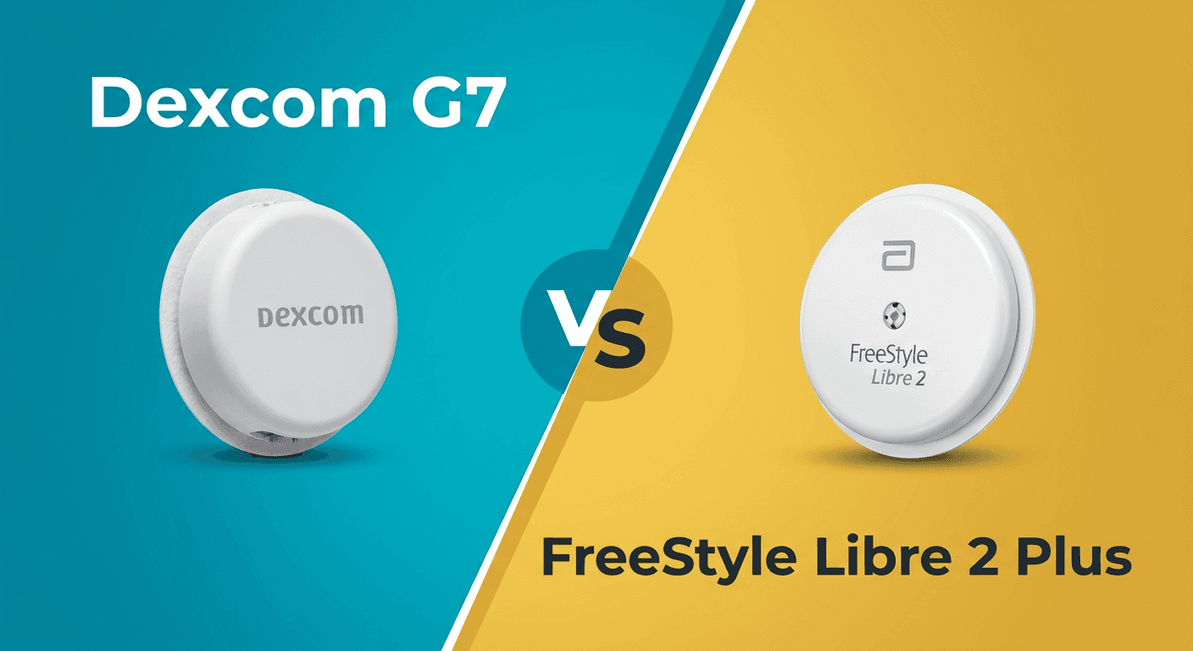
What Is the Future of CGM Technology in Australia: FreeStyle Libre 2 Plus and Dexcom G7?

CGM development continues toward longer sensor life, improved accuracy, lower cost and tighter integration with insulin delivery and predictive analytics, which will broaden clinical and consumer utility. Upcoming models often target incremental accuracy improvements, lower MARD, and simpler user workflows such as fully disposable low-profile sensors. Regulatory approvals and national subsidy adjustments will shape how quickly new models achieve broad Australian availability. These trends create opportunities for better time-in-range outcomes and reduced burden of self-management, and they lead into specific expected device improvements.


How Will New CGM Models Improve Wear Time and Accuracy?

Newer CGM models aim for longer wear times to lower replacement frequency, incremental accuracy gains that reduce confirmatory finger-pricks, and smaller sensor form factors for improved discretion. Longer single-sensor lifespans reduce per-day cost and service interruptions, while better sensor chemistry and algorithms lower MARD and enhance clinical reliability. Regulatory timelines govern when devices become available in Australia, and pharmacies will play a role in distribution and patient education. These improvements will make CGMs more accessible and easier to integrate into daily life.


What Role Will AI and Insulin Pump Integration Play in Diabetes Care?

AI and predictive analytics will increasingly process CGM data to provide personalised alerts, trend forecasts and therapy suggestions, enabling proactive hypoglycaemia prevention and more nuanced insulin dosing strategies. Integration of CGMs with insulin pumps supports hybrid closed-loop systems that automate basal insulin delivery adjustments based on sensor trends and predictive algorithms. These advances promise to reduce cognitive burden for users, improve glycaemic control and enable clinicians to focus on higher-level therapy optimisation. As integration expands, device selection will increasingly consider ecosystem compatibility as well as sensor performance.


Frequently Asked Questions


What factors should I consider when choosing between FreeStyle Libre 2 and Dexcom ONE+?

When choosing between FreeStyle Libre 2 and Dexcom ONE+, consider factors such as your lifestyle, budget, and specific health needs. If you prioritize affordability and simplicity, FreeStyle Libre 2 may be the better choice due to its longer sensor life and lower ongoing costs. Conversely, if you require continuous alerts and caregiver sharing, Dexcom ONE+ is designed for proactive monitoring and may be more suitable. Assessing your clinical risk, daily activities, and preferences will help you make an informed decision.


How do the app features of FreeStyle Libre 2 and Dexcom ONE+ compare?

FreeStyle Libre 2 uses the LibreLink app, which provides trend graphs, time-in-range reports, and data export options. However, its alerting capabilities are limited unless Bluetooth alarms are enabled. In contrast, Dexcom ONE+ offers a more robust app experience with continuous glucose updates, customizable alerts, and the Clarity reporting platform for detailed analytics. This makes Dexcom ONE+ more suitable for users who need comprehensive data and real-time monitoring, while FreeStyle Libre 2 is ideal for those who prefer a simpler interface.


Can I use FreeStyle Libre 2 or Dexcom ONE+ while exercising?

Yes, both FreeStyle Libre 2 and Dexcom ONE+ can be used during exercise, but there are some considerations. FreeStyle Libre 2's adhesive is designed to hold up during physical activity, but users may want to use additional adhesive patches for water sports or heavy sweating. Dexcom ONE+ also allows for active use, but its bulkier design may be more noticeable during certain activities. Always ensure the sensor is securely attached and monitor your glucose levels closely during exercise.


Which Is Better: Dexcom ONE+ or FreeStyle Libre 2?

Which device is “better” depends on priorities: Dexcom ONE+ is better for continuous real-time alerts, caregiver sharing and integration, while FreeStyle Libre 2 is better for simplicity, longer single-sensor wear and lower ongoing complexity. Users who need proactive hypoglycaemia protection or close remote monitoring will often prefer Dexcom ONE+, whereas users focused on cost, discretion and straightforward workflows may prefer FreeStyle Libre 2. Clinically, those with frequent or severe hypoglycaemia or children often benefit more from real-time alerts, while stable, self-managing adults may choose flash systems for convenience.


Are FreeStyle Libre 2 and Dexcom ONE+ Available and Subsidized in Australia?

Both systems are available in Australia through pharmacy channels and medical device distributors, and NDSS subsidy rules influence who receives subsidised supplies; subsidy eligibility typically prioritises insulin-treated Type 1 diabetes and clinically assessed high-risk cases. Availability has expanded in recent years, and rollout and subsidy details can change, so prospective users should confirm current NDSS criteria and consult a pharmacist or diabetes clinic to understand personal eligibility and cost implications. Pharmacy professionals can also assist with device setup, app pairing and extracting reports for clinical review. To provide a wide selection of trusted pharmacy and chemist products, offer convenient online and in-store shopping, and empower customers to live healthier lives by providing products and health support. If you want personalised guidance about CGM selection, subsidy implications or product availability, consult a pharmacist or diabetes management service to review your clinical needs and practical preferences. SuperPharmacyPlus offers diabetes management advice and product support through its pharmacy and information services to help customers choose the right monitoring solution.


Conclusion

Choosing between FreeStyle Libre 2 and Dexcom ONE+ can significantly impact your diabetes management, as each device offers unique benefits tailored to different user needs. Understanding the strengths of each system—whether it’s the affordability and simplicity of FreeStyle Libre 2 or the advanced alerting and integration features of Dexcom ONE+—reinforces the importance of aligning your choice with your lifestyle and clinical requirements. For personalized guidance on selecting the right continuous glucose monitor, consider consulting a pharmacy or diabetes management service. Explore your options today to enhance your diabetes care and improve your quality of life.
Nov 28, 2025

Recent Posts

Movemember

Join Our Newsletter

Subscribe now to receive the latest updates, exclusive offers, and insights directly to your inbox.