What Does A CPAP Machine Do?
If you've been diagnosed with obstructive sleep apnoea, chances are you've heard about CPAP machines. But what does a CPAP machine do, and how does it help with managing your symptoms? Here's a practical breakdown of how CPAP machines work, what to expect and how it fits into a long-term treatment plan for better sleep and overall health.
What is sleep apnoea?
More than the loud snoring, obstructive sleep apnoea is a condition where the airway repeatedly collapses during sleep and briefly cuts off airflow. These interruptions often go unnoticed by the person affected, but they can occur hundreds of times a night. People with sleep apnoea can feel exhausted the next day, even after what seemed like a full night’s rest.
Left untreated, sleep apnoea increases the risk of multiple health issues, including high blood pressure, stroke, heart disease, type 2 diabetes and even memory issues. That’s where a CPAP machine for sleep apnoea comes in. It offers an evidence-backed way to restore uninterrupted breathing and improve long-term health outcomes.
What does a CPAP machine do?
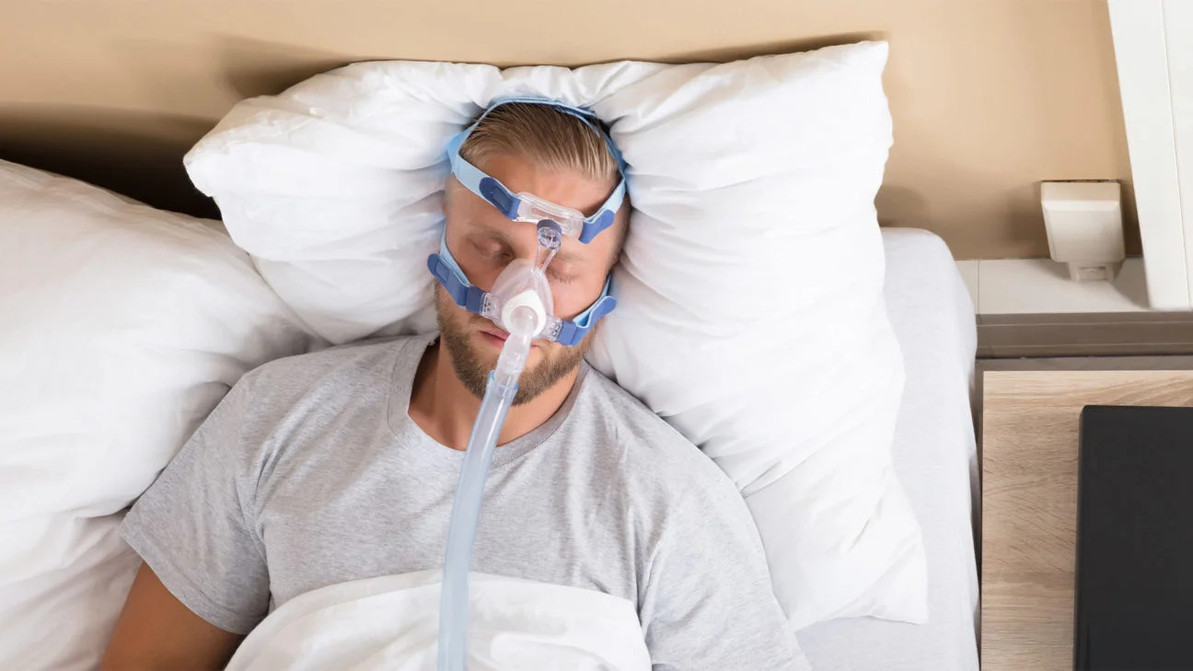
At its core, a CPAP (continuous positive airway pressure) machine keeps your airway open while you sleep. It does this by delivering a constant stream of pressurised air through a mask. This air pressure acts as a splint that prevents the soft tissues in your throat from collapsing and blocking the airway. Currently, it’s recognised as the most effective non-surgical sleep apnoea treatment.
Most CPAP machine parts include a motor and pump that generate the air pressure, tubing to carry the air to your mask and optional extras like a humidifier to reduce dryness. The filter helps trap dust or allergens, and the mask itself comes in various styles — nasal, pillow or full-face — depending on your preference.
CPAP therapy explained: benefits and early experiences
Using a CPAP machine for the first time can feel unfamiliar. Sleeping with a mask, adjusting to the sensation of pressurised air and hearing the quiet hum of the motor can all take some getting used to. With consistent use, the benefits quickly outweigh those early hurdles.
Over time, CPAP machine benefits often include:
- Deeper and more restful sleep
- Fewer breathing pauses at night
- Improved concentration and mood
- Reduced risk of cardiovascular issues
- Fewer morning headaches or sore throats
- An overall boost in quality of life
If you're dealing with persistent fatigue, irritability or disrupted sleep, CPAP therapy offers a practical and evidence-based solution for sleep apnoea treatment.
Tips on how to use a CPAP machine effectively
Starting sleep apnoea treatment with CPAP therapy can feel like a big adjustment, especially if you’ve never used sleep equipment before. The first step is setting up the machine correctly: place it on a stable surface near your bed, connect the tubing, fill the humidifier (if your model has one) and fit your mask securely. Once everything is in place, switch it on to allow the machine to reach the prescribed pressure before you settle into bed.
From there, most people find CPAP use becomes second nature with a few consistent habits. Try to:
- Use it every night, and for naps too. The benefits of CPAP machine therapy build over time, so consistent use is essential.
- Find the perfect fit. If your mask feels uncomfortable or leaks air, consult with your provider for a refitting. Nasal, nasal pillow and full-face masks are all common options.
- Keep it clean. Wash your mask and tubing regularly to prevent bacteria and blockages. Most people clean their gear weekly, with a quick rinse every few days.
- Use a humidifier if you experience dryness, irritation or congestion. Many modern machines have built-in or attachable humidifiers for comfort.
- Check your filter regularly and replace it as needed, especially if you have allergies or pets.
- If something feels uncomfortable or unusual, speak with your doctor or sleep specialist before any changes are made to your machine. Only a qualified clinician should adjust prescribed pressure settings.
The key is to treat your CPAP setup like part of your bedtime routine. It’s no different from brushing your teeth or setting your alarm. Once you settle into the rhythm, most people find it easier to fall asleep, stay asleep and wake up feeling far more rested.
Find the right CPAP machine at SuperPharmacyPlus
At SuperPharmacyPlus, we support Australians managing sleep apnoea with high-quality CPAP machines, masks and consumables like batteries, foam and cushions. We stock CPAP supplies from trusted brands like ResMed and Heyer. We accept a wide range of funding types, including NDIS and Home Care Packages.
Need help figuring out what setup is right for you? Call, visit our store or order online. Our team can help you understand how CPAP machines work, compare models and find the most suitable fit.
Recent Posts
-
 May 02, 2026
How Does Lignosus Help With Respiratory Allergies?
Lignosus, commonly called Tiger Milk Mushroom, is attracting interest for its possible … -
 Apr 07, 2026
Can Savvy Touch Rocket Fuel Help Relieve Sinus Congestion Naturally?
Sinus congestion happens when the lining of your nasal passages and sinus cavities bec … -
 Apr 03, 2026
How Should You Take Lignosus for Best Results?
Lignosus, commonly called Tiger Milk Mushroom, is becoming better known for its potent …