Mar 27, 2026
The Role of Mobility Equipment in Rehabilitation and Recovery
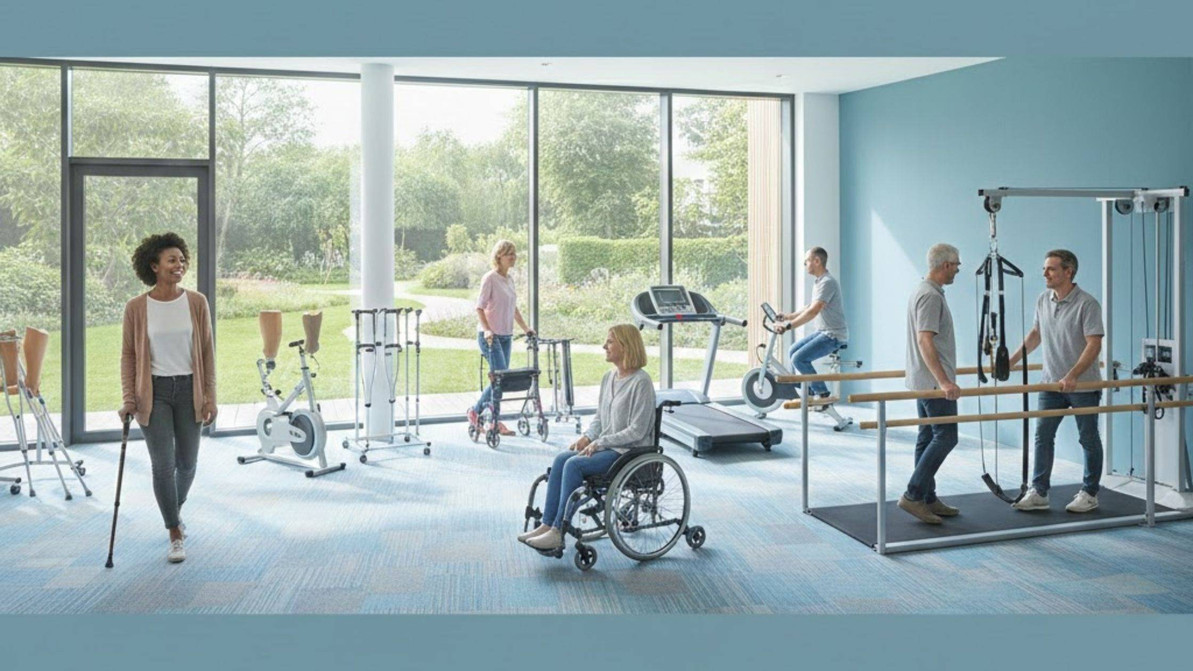
Mobility equipment can be a game-changer in rehabilitation, helping people rebuild movement, confidence and day-to-day independence. This guide walks you through the different types of mobility equipment, what they do, and how they support recovery for specific conditions. Whether someone is recovering from an injury, managing a long-term condition, or adapting to age-related changes, the right aid makes everyday life safer and more manageable. We’ll also cover practical steps for accessing funding, including NDIS support.
Key types of mobility equipment used in rehabilitation
Mobility health equipment covers a broad range of devices designed to help people move safely and confidently during recovery. These aids improve stability, balance and independence, allowing users to get around the home and community with less risk. Common options include walkers, rollators, wheelchairs, canes and crutches—each suited to different needs and stages of recovery.
How walkers and rollators help with balance and stability
Walkers and rollators are essential for people regaining mobility after surgery or injury. A walker provides a solid frame to lean on and distributes weight evenly, reducing the risk of falls. A rollator—with wheels and hand brakes—allows users to move more smoothly while keeping support within easy reach. Both encourage safe walking practice and help users stay active during rehabilitation.
Benefits of manual and powered wheelchairs during recovery
Wheelchairs provide essential mobility for people with limited walking ability. Manual wheelchairs promote upper-body strength and independence when users can self-propel. Powered wheelchairs offer electric drive for those who need low-effort mobility or greater endurance. Both options help people participate in social activities, reduce fatigue, and maintain independence during recovery.
How mobility equipment supports recovery for specific conditions
Different conditions call for tailored solutions. Mobility aids provide targeted support that helps people rebuild strength, maintain function, and safely participate in rehabilitation exercises.
Best mobility aids for post-stroke recovery
Post-stroke rehabilitation often requires specialist equipment such as gait trainers, frame walkers and supportive balance aids. These devices help people relearn walking patterns, regain weight-bearing confidence, and rebuild coordination—all essential steps in recovering mobility after a stroke.
Equipment for arthritis and spinal cord injury recovery
For arthritis, canes and ergonomic walkers can reduce pain and improve stability on uneven surfaces. People living with spinal cord injuries may rely on purpose-built wheelchairs with pressure-relief seating and customised controls to maximise comfort and accessibility. The right features make daily tasks easier and support sustained independence.
Home rehabilitation equipment that improves daily living and safety
Adapting the home with simple, well-chosen equipment reduces hazards and helps people carry on with daily routines while they recover.
How bathroom safety aids like grab rails and shower chairs reduce falls
Bathrooms are high-risk areas for slips and falls. Grab rails by showers, baths and toilets provide secure handholds for transfers, while shower chairs allow people to bathe seated, reducing the chance of slipping. These small changes significantly improve safety and confidence at home.
Bedroom and daily living aids that support independence
Bedroom and everyday aids—such as bed rails, bedside hoists and reachers—help people manage tasks without unnecessary strain or risk. Bed rails assist with getting in and out of bed safely, while reachers allow users to access items without bending or stretching. These tools help make daily life more manageable and support greater independence.
How NDIS participants can access mobility equipment and funding
The National Disability Insurance Scheme (NDIS) can fund mobility equipment when it is reasonable and necessary for a participant’s goals. Understanding the eligibility criteria and application process helps participants access the right support.
Eligibility and the NDIS application process for mobility aids
To receive NDIS funding for mobility aids, participants generally need a permanent and significant impairment that affects daily function. The process involves outlining your needs and goals in your plan submission and providing supporting clinical information. If approved, funding can cover assessed and approved items that support recovery and independence.
How home care packages can help with equipment costs
Home care packages are another route to fund mobility equipment. Packages may cover walkers, wheelchairs and bathroom safety products as part of a tailored care plan. By consulting with healthcare professionals you can identify suitable equipment and the right funding stream for your situation.
Benefits of using mobility aids during rehabilitation and recovery
When matched correctly to needs, mobility aids support physical recovery, reduce risk and help people regain independence more quickly.
How mobility equipment restores independence and autonomy
Mobility aids give people the freedom to manage daily routines, access the community and participate in social life with less reliance on others. That regained autonomy often improves mood, motivation and engagement in rehabilitation.
How mobility aids improve safety and prevent falls
Properly selected and fitted equipment enhances stability and posture, reducing the risk of falls and related injuries. Using aids as directed, alongside therapy, lowers long-term risk and helps create a safer living environment.
| Mobility Aid | Key Benefit | Ideal User |
|---|---|---|
| Walkers | Improved stability for short-distance walking | Older adults, post-surgery patients |
| Wheelchairs | Greater mobility independence and participation | People with significant walking limitations |
| Bathroom Aids | Reduced fall risk in wet areas | Those with balance or strength issues |
The table above summarises common aids, their main benefits and who typically finds them most useful.
How to choose and maintain the right mobility equipment?
Picking the right equipment and keeping it in good repair maximises safety and effectiveness throughout recovery.
Factors to consider when selecting mobility aids
Consider physical ability, the environments where the aid will be used, and personal preferences. Think about adaptability (adjustable height, foldability), comfort, and the user’s rehabilitation goals. Trialling equipment with a clinician helps ensure the best match.
How occupational therapists and pharmacists help with equipment selection?
Expert occupational therapists and pharmacists can assess needs, recommend suitable aids, and provide advice on safe use. Their guidance helps you select equipment that supports rehabilitation goals and daily life.
| Equipment Type | Recommended Features | Benefits |
|---|---|---|
| Walkers | Lightweight frame, adjustable height | Easy to handle and customise |
| Wheelchairs | Comfortable seat, adjustable footrests | Improved comfort and fit |
| Bathroom Aids | Non-slip surfaces, solid fixings | Greater safety, fewer slips |
Choosing features that match daily routines and environment makes equipment more effective and easier to use.
Frequently Asked Questions
How does mobility equipment affect mental health during recovery?
Regaining movement often boosts confidence and mood. Mobility aids can reduce reliance on others, increase social participation, and give people back control over their routines—all of which support better mental wellbeing alongside physical recovery.
How can caregivers support someone using mobility aids?
Caregivers can help by ensuring equipment is fitted correctly, well maintained, and used safely. Encouragement, patience, and guided practice help users build confidence. Caregivers should also check for wear and arrange servicing as recommended.
What misconceptions exist about mobility aids?
Some people see aids as a sign of weakness, but they are tools that enable independence and safe activity. Another myth is that aids always slow recovery—in many cases, they allow safe practice and participation that actually supports rehabilitation.
How is technology improving mobility equipment?
Advances such as power-assist wheels, obstacle sensors, and app-based controls are making equipment easier and safer to use. Wearables and smart devices also help track progress and tailor rehabilitation plans, providing users and clinicians with better feedback.
What role does physical therapy play with mobility aids?
Physiotherapists teach safe techniques, fit aids to the individual, and design exercises that use the equipment to build strength and mobility. Ongoing therapy ensures aids are used in ways that support rehabilitation goals.
Are there mobility aids specifically for children?
Yes—paediatric walkers, wheelchairs and gait trainers are sized and configured for growing bodies. These devices support mobility, encourage participation, and are often adjusted over time as the child develops.
How can people ensure their mobility equipment lasts?
Regular cleaning, routine checks for wear, and following the manufacturer’s care instructions will extend an item’s life. Replace worn parts promptly and arrange professional servicing when required to keep equipment safe and reliable.
Conclusion
The right mobility equipment can make a meaningful difference in rehabilitation—improving safety, building independence, and helping people get back to the things that matter. Understanding your options, seeking professional advice, and exploring available funding can all help you find the best solution. Browse the SuperPharmacy Plus mobility range or speak to our team to find equipment that suits your needs.
Mar 27, 2026
Recent Posts
-
 Mar 30, 2026
Who Should Avoid Using Lignosus?
Lignosus, often called Tiger Milk Mushroom, is a medicinal fungus used for respiratory … -
 Mar 28, 2026
Insulin Needle Sizes Explained: Choosing the Right Length & Gauge (4mm, 5mm, 8mm)
Understanding insulin needle sizes makes day‑to‑day diabetes care easier. The right ne … -
 Mar 27, 2026
The Role of Mobility Equipment in Rehabilitation and Recovery
Mobility equipment can be a game-changer in rehabilitation, helping people rebuild mov …