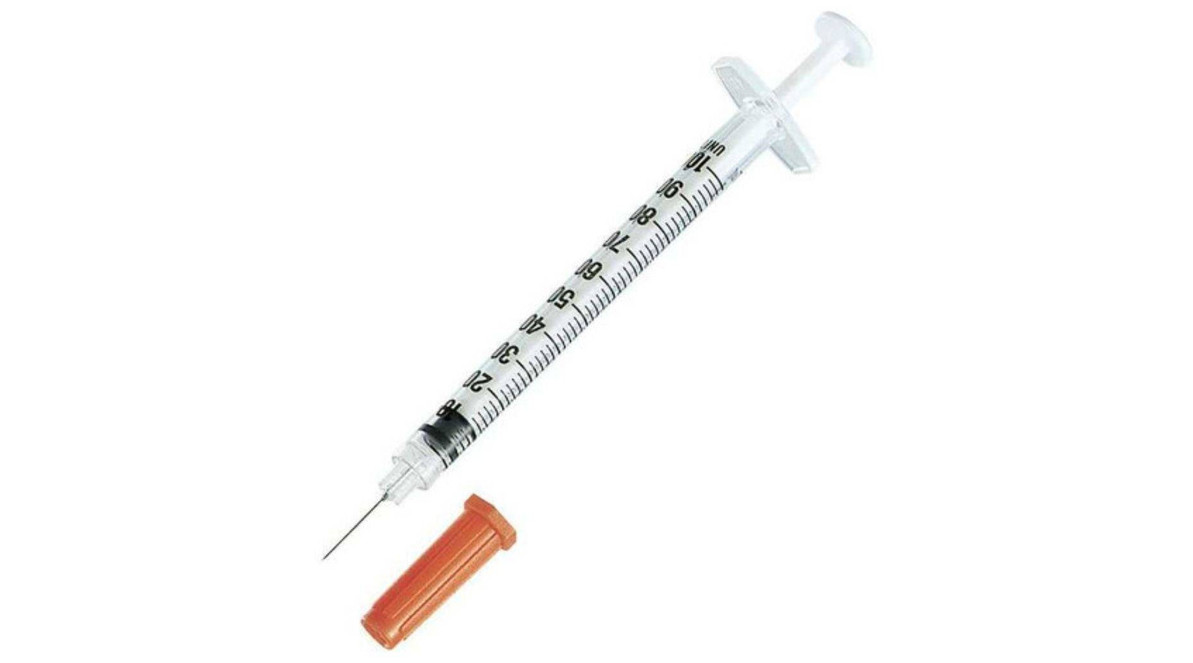
Insulin Syringes: Choosing the Right Size for Your Dose
Mar 16, 2026 SuperPharmacyPlus Pharmacist

Insulin Syringes: Choosing the Right Size for Your Dose

Picking the correct insulin syringe makes injections more accurate and less stressful. Syringes differ in capacity, needle gauge and length — each designed for particular doses and user needs. This guide walks you through the types of insulin syringes, their parts, and practical tips to match a syringe to your dose. Many people feel unsure about injections, which can cause discomfort or dosing mistakes. Knowing how to choose the right syringe helps make injections safer, more comfortable and more reliable. We cover syringe types, gauge and length choices, injection technique basics and safe disposal.

What are the different types of insulin syringes and their parts?

Insulin syringes are purpose-built to deliver precise insulin doses and support everyday diabetes care. They come in various sizes, designs and safety features to suit different users. Understanding how syringes vary helps you pick the most suitable option for reliable insulin delivery.

For a wide selection of diabetes supplies and friendly advice, visit Superpharmacyplus, where we stock trusted products for everyday health.

How do insulin syringe types differ by capacity and design?

Syringe capacity is usually shown in units. Common examples are U-100 syringes (for insulin at 100 units per millilitre) and U-40 syringes (for 40 units per millilitre). Designs also vary: some syringes include safety shields to reduce needle-stick risk, while others focus on an easy-to-read barrel or a finer needle for comfort. Choosing a syringe with the right capacity and user-friendly design can make filling and injecting insulin easier and more accurate.

What are the main parts of an insulin syringe?

A typical insulin syringe has three main parts: the barrel, the plunger and the needle. The barrel holds the insulin and shows the dose markings; the plunger controls the amount you draw and inject; and the needle — available in different gauges and lengths — determines injection comfort and depth. Good-quality components support accurate dosing and a better injection experience.

How does needle gauge affect comfort and dosing accuracy?

Needle gauge refers to thickness: a higher gauge number means a thinner needle. Gauge affects how an injection feels and how quickly insulin flows, so it’s an important factor to consider when choosing a syringe.

What is a needle gauge and how is it measured?

Gauges are shown as numbers — for example, 28 to 31. A 31‑gauge needle is thinner (and generally less painful) than a 28‑gauge needle. Understanding gauge numbers helps you balance comfort with the speed of insulin delivery.

Which gauge sizes suit different needs?

Gauge choice depends on age, body type and personal comfort. Finer needles (30–31 gauge) often suit children or anyone who prefers a gentler injection. Slightly thicker needles (28–29 gauge) can allow faster insulin flow and are commonly used by adults. Work with your healthcare team to find the right balance for you.

How to choose the right needle length for your body and dose?

Needle length determines injection depth and influences how insulin is absorbed. Picking the correct length helps ensure insulin reaches the subcutaneous tissue rather than muscle.

What are common needle lengths and when are they used?

Insulin needles commonly range from 4mm to 12.7mm. Short needles (4mm–5mm) are suitable for most adults and children and reduce the chance of injecting into muscle. Longer needles (6mm and up) may be needed for people with more subcutaneous tissue or for specific injection sites. Choose a length that reliably deposits insulin into the subcutaneous layer.

How do body type and injection site affect length choice?

Your body composition and where you inject (abdomen, thigh, arm, buttocks) affect the depth needed. People with higher body fat in an area may require a longer needle to reach the subcutaneous tissue. Different sites absorb insulin at slightly different rates, so tailor needle length and technique to your body and the site you use.

How to match syringe size to your insulin dose?

Using a syringe that matches your prescribed dose helps prevent errors. Learning to read syringe markings and following a few simple checks will improve dosing accuracy.

How do I read syringe markings for the correct dose?

Syringes show unit markings that correspond to insulin units. For example, a U‑100 syringe is marked in unit increments up to 100. Read the lines carefully when drawing up insulin and confirm the top of the plunger lines up with the required unit mark to ensure the right dose.

What practices reduce dosage mistakes with syringes?

To reduce errors: use the correct syringe type for your insulin concentration, double‑check the dose before injecting, keep a consistent routine, and ask your clinician or pharmacist to review your technique. If you're ever unsure, stop and seek guidance rather than guessing.

What are safe injection techniques and site rotation guidelines?

Safe injection technique and rotating sites support comfort and stable insulin absorption. Small routine changes make a big difference over time.

How do I inject insulin safely and with less discomfort?

Wash your hands and prepare the site. Gently pinch the skin to lift a fold if needed, insert the needle at 90 degrees for most short needles (or 45 degrees with longer needles or for very thin people), push the plunger steadily, then remove the needle and press lightly — no rubbing. These steps help reduce pain and ensure proper insulin delivery.

Why rotate injection sites?

Rotating injection spots prevents lipohypertrophy — fatty lumps that can form from repeated injections in the same place. Lipohypertrophy can change how well insulin is absorbed. Rotate within the same general area (for example, different parts of the abdomen) to keep absorption consistent and skin healthy.

How to dispose of insulin syringes and needles safely?

Correct disposal protects you and the community. Follow local rules and use proper sharps containers for used needles and syringes. 

What sharps disposal methods are recommended in Australia?

In Australia, use approved sharps containers that are puncture‑resistant and clearly labelled. Many councils and health services run collection or drop‑off programs for full sharps containers. Check local resources for the safest disposal options in your area.

How do I use a sharps container properly?

Keep the container sealed when not in use and out of reach of children. Place used syringes directly into the container — do not recap needles. When the container is full, follow local advice for disposal or return it to a participating pharmacy or collection point. Proper use reduces injury and infection risk.

To learn more about our approach to patient care and community health, read about Superpharmacyplus and how we support people managing diabetes.

Frequently asked questions

What should I consider when choosing an insulin syringe?

Look at syringe capacity, needle gauge and needle length. Make sure the syringe matches your insulin concentration, choose a gauge that balances comfort and flow, and pick a needle length suited to your body and injection site. Your pharmacist or diabetes team can help you decide.

Can I use insulin syringes for other medications?

Insulin syringes are designed for insulin and for use with the matching insulin concentration. Some injections may be compatible, but you should always confirm with a healthcare professional before using an insulin syringe for another medication to avoid dosing and compatibility issues.

How often should I change my insulin syringe?

Use a new syringe for each injection when possible. Reusing syringes increases the risk of contamination and dulls the needle, which can cause discomfort and skin problems. If reuse is unavoidable, follow your clinician’s advice on safe practice.

What are the signs of lipohypertrophy and how can I prevent it?

Lipohypertrophy shows as lumps, swelling or changes in skin texture at injection sites. Prevent it by rotating sites and avoiding repeated injections in the same spot. If you find lumps, talk to your healthcare team about adjusting your technique or sites.

What should I do if I accidentally inject air instead of insulin?

If you think you injected air and not the full dose, check your blood glucose and contact your healthcare provider for advice. Small amounts of air in subcutaneous injections are unlikely to cause harm, but missing a dose can affect blood sugar control — seek guidance on whether to correct the dose.

Are there any special considerations for insulin use in children?

For children, choose the appropriate syringe capacity and finer needles to reduce discomfort. Caregivers should be trained in correct technique and site rotation. Regular follow‑up with a paediatric endocrinologist or diabetes educator ensures dosing and technique remain appropriate as the child grows.

Conclusion

Choosing the right insulin syringe — the correct capacity, gauge and needle length — helps make injections accurate, safer and more comfortable. Small adjustments to technique and consistent site rotation improve insulin absorption and long‑term outcomes. If you need personalised advice or diabetes supplies, visit SuperPharmacy Plus for expert help and a wide range of products. With the right tools and support, you can manage your diabetes confidently.
Mar 16, 2026 SuperPharmacyPlus Pharmacist

Recent Posts

Movemember

Join Our Newsletter

Subscribe now to receive the latest updates, exclusive offers, and insights directly to your inbox.