Which Over-the-Counter Diabetes Products Are Essential for a Newly Diagnosed Patient?
What Are the Key Blood Glucose Monitoring Kits for Diabetes Management?
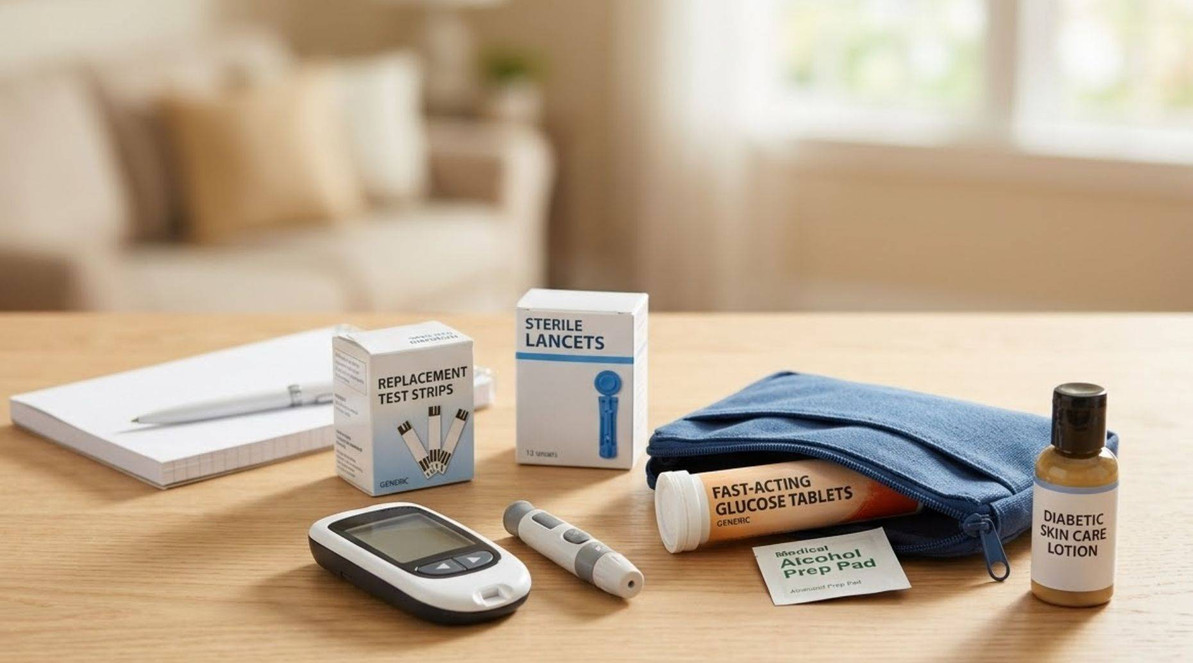
Blood glucose monitoring is a critical aspect of diabetes management, allowing patients to track their blood sugar levels and make informed decisions about their health. Various blood glucose monitoring kits are available, each designed to meet different needs and preferences. These kits typically include a glucose meter, test strips, and a lancing device.
While traditional kits are common, advancements in over-the-counter continuous glucose monitoring are also expanding options for patients.
Review of OTC Continuous Glucose Monitoring
biosensor products, which may bridge the gap in access to wearable glucose monitoring technologies in select populations (Table 1). This article reviews how the FDA-approved OTC
Review of over the counter and prescription continuous glucose monitoring, J Wollen, 2025
Some popular brands include:
1. Accu-Chek: Known for its accuracy and user-friendly design, Accu-Chek offers a range of meters suitable for different lifestyles.
2. Contour Next: With advanced accuracy and easy-to-read displays, Contour Next meters are designed for those who prioritize precision in their readings.
These monitoring kits are essential for maintaining optimal blood sugar levels and preventing complications associated with diabetes.
How to Choose the Best Blood Glucose Monitor for Accurate Testing
Selecting the right blood glucose monitor is crucial for effective diabetes management. When choosing a monitor, consider the following factors:
- Accuracy: Look for meters that have been clinically validated for accuracy.
- Ease of Use: Choose a monitor that is user-friendly, especially if you are new to diabetes management.
- Cost of Test Strips: Test strips can be a recurring expense, so consider the cost and availability of strips for the chosen meter.
- Features: Some monitors offer additional features such as Bluetooth connectivity, which allows for easy tracking of blood sugar levels through a smartphone app.
The importance of selecting a monitor with proven accuracy cannot be overstated, as studies consistently highlight its impact on effective diabetes management.
Glucometer Accuracy for Diabetes Care
capillary glucose measurement using point-of-care glucometers is an essential part of diabetes care. We determined the technical accuracy, clinical accuracy and precision of commonly available glucometers against standard spectrophotometry in Cameroon.
Accuracy and precision of four main glucometers used in a Sub-Saharan African Country: a cross-sectional study, SP Choukem, 2019
Consulting with healthcare professionals can also provide valuable insights into the best options for individual needs.
What Features Should You Look for in Diabetes Testing Strips?
When selecting diabetes testing strips, it is important to consider several key features to ensure accurate and reliable testing:
- Compatibility: Ensure that the strips are compatible with your glucose meter.
- Sample Size: Some strips require a smaller blood sample, which can be less painful and more convenient.
- Expiration Date: Check the expiration date on the packaging to ensure the strips are still effective.
Choosing high-quality testing strips can significantly impact the accuracy of your blood glucose readings.
Which Diabetic Foot Care Essentials Help Prevent Complications?
Foot care is a vital aspect of diabetes management, as individuals with diabetes are at a higher risk for foot complications. Essential diabetic foot care products include:
1. Moisturizing Creams: These help prevent dry skin and cracking, which can lead to infections.
2. Compression Socks: Designed to improve circulation, these socks can help prevent swelling and discomfort.
3. Foot Soaks: Soaking feet in warm water can help maintain hygiene and soothe tired feet.
Regular foot inspections and proper care can prevent serious complications, making these products essential for diabetic patients.
What Are the Benefits of Using Diabetic Foot Creams and Wound Care Products?
Diabetic foot creams and wound care products offer several benefits that are crucial for maintaining foot health:
- Quick Healing: Specialized formulations in diabetic foot creams promote faster healing of minor cuts and abrasions.
- Infection Prevention: Many wound care products contain antibacterial properties that help prevent infections.
- Hydration: Keeping the skin moisturized reduces the risk of cracks and sores, which can lead to more serious issues.
Incorporating these products into daily foot care routines can significantly enhance foot health for individuals with diabetes.
How to Maintain Proper Foot Hygiene with Over-the-Counter Supplies?
Maintaining proper foot hygiene is essential for preventing complications in diabetic patients. Here are some recommended practices:
- Daily Washing: Wash feet daily with mild soap and warm water, ensuring to dry thoroughly, especially between the toes.
- Regular Inspections: Check feet daily for any cuts, blisters, or changes in color.
- Use of Moisturizers: Apply diabetic foot creams to keep skin hydrated, avoiding the areas between the toes.
By following these practices and utilizing over-the-counter supplies, patients can maintain healthy feet and reduce the risk of complications.
How Do Supplements Complement Diabetes Management Plans?
How Can Mobility and Assistive Devices Improve Daily Diabetes Care?
Mobility aids and assistive devices can significantly enhance the quality of life for individuals with diabetes. These devices can help maintain independence and safety in daily activities.
- Benefits of Mobility Aids: They can reduce the risk of falls and injuries, allowing patients to navigate their environment more safely.
- Enhancing Independence: Devices such as walkers or canes can provide the necessary support for those with mobility challenges.
- Safety Considerations: Using assistive devices can help prevent accidents and promote confidence in daily activities.
Incorporating mobility aids into daily routines can greatly improve the management of diabetes.
What Mobility Aids Are Suitable for Diabetic Patients?
Several mobility aids are particularly suitable for diabetic patients, including:
1. Walkers: Provide stability and support for those who may have difficulty walking.
2. Canes: Offer additional support and balance for individuals with minor mobility issues.
3. Rollators: These are wheeled walkers that provide a seat for resting, making them ideal for longer distances.
Choosing the right mobility aid can enhance safety and independence for diabetic patients.
How Do Assistive Devices Support Independence and Safety?
Conclusion
Recent Posts
-
 May 02, 2026
How Does Lignosus Help With Respiratory Allergies?
Lignosus, commonly called Tiger Milk Mushroom, is attracting interest for its possible … -
 Apr 03, 2026
How Should You Take Lignosus for Best Results?
Lignosus, commonly called Tiger Milk Mushroom, is becoming better known for its potent … -
 Apr 01, 2026
Which Over-the-Counter Diabetes Products Are Essential for a Newly Diagnosed Patient?
Navigating a new diabetes diagnosis can be overwhelming, especially when it comes to u …