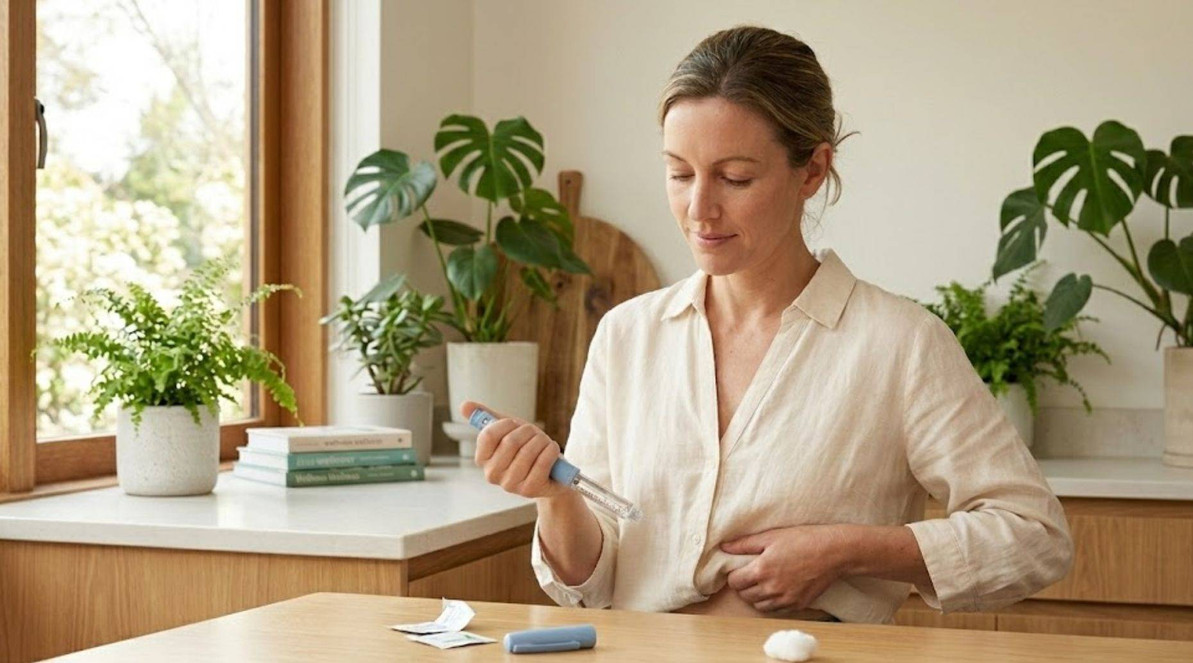
Step‑by‑Step Guide to Injecting Insulin With a Pen or Syringe
Evidence shows that understanding different insulin delivery methods helps people manage diabetes more effectively.
Insulin delivery options: pens, syringes and subcutaneous injections
Many people with advanced type 2 diabetes (T2DM) — and all people with type 1 diabetes (T1DM) — need insulin to keep blood glucose in range. The most common route is subcutaneous injection. Options for subcutaneous delivery include vials and syringes, insulin pens and pumps. While subcutaneous insulin is the standard approach, it can be associated with injection pain, needle anxiety, lipodystrophy, non‑adherence and peripheral hyperinsulinemia.
Insulin delivery methods: Past, present and future, DM Maahs, 2016
How do you prepare and use an insulin pen for injection?
How do you attach and prime an insulin pen needle?
Before you begin, gather your supplies: the insulin pen, a new needle and some alcohol swabs. Then follow these steps to attach and prime the needle:
1. Wash your hands: Wash thoroughly to reduce infection risk.
2. Remove the cap: Take off the pen cap and peel away the protective cover from the needle.
3. Attach the needle: Depending on your pen, either screw or push the needle on until it’s secure.
4. Prime the pen (if advised): Set the dial to 2 units and press the injection button until a small drop of insulin appears at the needle tip—this confirms the pen is ready.
Priming ensures insulin flows correctly and helps you deliver the intended dose.
How do you select and dial the correct insulin dose using a pen?
Once the pen is primed, choose your dose. Follow these simple steps:
1. Turn the dose selector: Rotate the dial to the dose prescribed by your healthcare provider.
2. Check the dose: Verify the number shown in the dose window is correct before injecting.
3. Inject the insulin: When the dose is set and checked, proceed with the injection.
Selecting the correct dose is essential — incorrect dosing can affect blood glucose control.
What is the proper technique for injecting insulin using a syringe?
How do you draw insulin from a vial into a syringe?
2. Prepare the vial: Wipe the vial’s rubber stopper with an alcohol swab.
3. Draw air into the syringe: Pull back the plunger to the volume that matches your dose.
4. Inject air into the vial: Insert the needle and push the plunger to inject the air — this makes drawing insulin easier.
5. Draw the insulin: Turn the vial upside down and pull back the plunger to draw the correct amount of insulin into the syringe.
This method prevents a vacuum in the vial and helps you draw insulin cleanly.
Best practices for giving an insulin syringe injection
When you give the injection, follow these practical tips:
- Choose the injection site: Common sites are the abdomen, thigh or upper arm.
- Clean the site: Use an alcohol swab to clean the area before injecting.
- Insert the needle: Hold the syringe like a dart and insert at 90° for most adults. For very thin people or children, a 45° angle may be better.
- Inject the insulin: Press the plunger down steadily to deliver the dose.
- Withdraw the needle: Remove it quickly and apply gentle pressure with a cotton ball or gauze; avoid rubbing.
Following these steps reduces discomfort and helps ensure the insulin is delivered properly.
Which injection sites are recommended and how should you rotate them?
What are the best areas on the body for insulin injection?
2. Thigh: The front and outer thigh are common options; absorption is typically slower than the abdomen.
3. Upper arm: The back of the upper arm is usable, though it can be harder to reach.
Using these sites consistently and as directed can help stabilise blood glucose control.
Why rotate injection sites and how to do it?
2. Keep a record: Track your injection locations so you don’t repeat the same spot too often.
3. Space injections: Within the same area, move a few centimetres for each injection to allow skin to recover.
Regular rotation helps maintain reliable absorption and lowers the risk of lumps or tissue damage.
Even with clear guidance, many people still find technique and site rotation challenging — which is why ongoing education matters.
Common problems with pen technique and site rotation
Studies show that many people are not using insulin pen devices correctly, and failures in site rotation and needle reuse are common. These issues can affect insulin absorption and treatment outcomes.
Improvement of insulin injection technique: examination of current issues and recommendations, 2016
How do you choose the right insulin needle and dispose of it safely?
What needle gauges and lengths are suitable for comfortable insulin injection?
- Gauge: A higher gauge number means a thinner needle. Common insulin gauges range from 28 to 31.
- Length: Needle lengths usually run from 4mm to 12.7mm. Shorter needles (4–8mm) are often more comfortable and suitable for subcutaneous injections.
Picking the right gauge and length can significantly improve comfort and confidence when injecting.
How should used insulin needles be disposed of under Australian guidelines?
2. Seal the container: Make sure the container is closed and puncture‑proof before disposal.
3. Follow local regulations: Check your local council or pharmacy for approved collection points and disposal programs.
Following these steps reduces the risk of needle‑stick injury and helps protect the community.
Research shows education improves both injection technique and safe disposal practices — training matters.
Education improves injection technique and safe disposal
Pharmacist‑led education has been shown to improve insulin injection technique. Studies also highlight unsafe needle disposal as an ongoing concern, underscoring the need for clear guidance and support.
Assessment of insulin pen injection practices and the effectiveness of pharmacist interventions in improving injection technique among patients with diabetes mellitus, RB Thapa, 2025
Common questions and troubleshooting tips for insulin injection
How can you prevent and manage pain or bruising at injection sites?
- Rotate injection sites: Regular rotation reduces repeated trauma to the same spot.
- Inject at the right angle: Use 90° for most adults; 45° may be better for very thin people or children.
- Avoid lumps or hardened areas: Don’t inject into areas with lumps, bumps or scarring — they can be painful and affect absorption.
- Apply pressure: Gently press the site after withdrawing the needle to reduce bleeding; don’t rub.
These simple adjustments can make injections less painful and reduce bruising.
What should you do if you miss a dose or see air bubbles in the syringe?
2. Air bubbles: Tap the syringe gently so bubbles rise to the top, then push the plunger slightly to expel the air before injecting.
Following these steps helps you maintain safe and effective insulin use.
How can SuperPharmacy Plus support your diabetes management journey?
What professional services and expert advice are available for insulin injection?
How can you access diabetes products and support through SuperPharmacy Plus?
| Needle Gauge | Length | Comfort Level | Recommended Use |
|---|---|---|---|
| 28 | 4mm | High | Children, thin adults |
| 30 | 6mm | Medium | Most adults |
| 31 | 8mm | Low | Larger adults |
This table shows how needle gauge and length relate to comfort, helping you choose the right option for injections.
Learning and practising correct injection technique helps you use insulin safely and improve your long‑term health. Always check with your healthcare team for personalised advice.
Frequently Asked Questions
What should you do if you experience injection site reactions?
How can you ensure proper insulin storage?
What are the signs of low blood sugar after an injection?
How often should you change your injection technique?
What should you do if you have difficulty injecting insulin?
Can you use insulin after its expiration date?
Conclusion
Recent Posts
-
 May 02, 2026
How Does Lignosus Help With Respiratory Allergies?
Lignosus, commonly called Tiger Milk Mushroom, is attracting interest for its possible … -
 Apr 07, 2026
Can Savvy Touch Rocket Fuel Help Relieve Sinus Congestion Naturally?
Sinus congestion happens when the lining of your nasal passages and sinus cavities bec … -
 Apr 03, 2026
How Should You Take Lignosus for Best Results?
Lignosus, commonly called Tiger Milk Mushroom, is becoming better known for its potent …