Finger-Prick vs CGM: Pros, Cons & When Each Is Used
Nov 30, 2025

Finger-Prick vs CGM: Pros, Cons & When Each Is Used

Finger-Prick vs CGM: Pros, Cons, and When Each Is Used for Diabetes Blood Sugar Testing in Australia

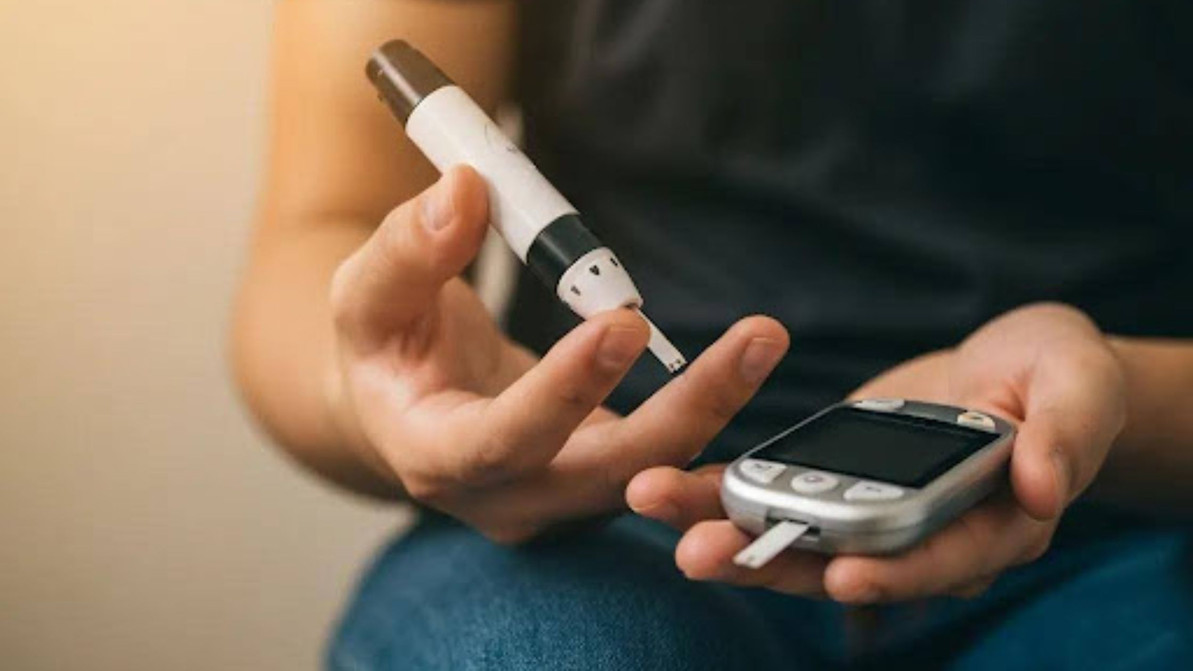
person-performing-a-finger-prick-blood-glucose-test-with-a-lancet-and-meter-d7ccc0f0-464a-40ce-9549-acf219c6de91
Monitoring blood glucose is central to safe, effective diabetes self-management, and two main approaches dominate clinical practice: traditional finger-prick self-monitoring of blood glucose (SMBG) and sensor-based continuous glucose monitoring (CGM). This article compares finger-prick testing and CGM, explains how each method measures glucose, and gives practical guidance about accuracy, cost, and when one method is preferable over the other. Readers will learn step-by-step how finger-prick testing is performed, how CGM measures interstitial fluid and displays trend data, and how these approaches differ for Type 1 and Type 2 diabetes. It also examines Australian-specific access issues, recent device launches, and how a pharmacy and mobility retailer can support testing needs. Finally, you’ll find clear comparison tables, scenario-based recommendations, and concise answers to common questions so you can choose the monitoring strategy that matches your therapy, lifestyle and local access.


What Is Finger-Prick Blood Glucose Testing and How Does It Work?

Finger-prick blood glucose testing (SMBG) measures the concentration of glucose in a capillary blood sample obtained by pricking the finger with a lancet and applying blood to a test strip read by a glucometer. The mechanism is straightforward: enzymes on the test strip catalyse glucose reactions, the meter translates the electrochemical signal into a number, and you get an immediate, point-in-time blood glucose value for treatment or adjustment. SMBG delivers instant accuracy for that moment and is inexpensive to set up, making it ideal for spot checks, pre-meal decisions, and confirming sensor readings. Understanding SMBG mechanics is the first step to choosing when to rely on spot checks versus continuous trend data, especially for insulin dosing and hypoglycaemia confirmation.


What Is Finger-Prick Testing and How Is It Performed?

Finger-prick testing is performed with a lancet device, single-use lancets, a blood glucose meter, and compatible test strips. First, prepare the meter and strip, wash and dry hands, load the lancet, and prick the side of the fingertip to obtain a small drop of blood; then apply the drop to the strip and read the meter result within seconds. Good technique improves accuracy: rotate finger sites, use side of finger for less pain, and ensure sufficient sample volume while avoiding squeezing the finger excessively. If errors occur (insufficient sample, strip error), repeat with a fresh strip and new lancet; consistent technique and quality consumables reduce variability.


What Are the Advantages of Finger-Prick Testing for Diabetes Management?

Finger-prick testing is affordable to start, portable, and provides direct blood glucose readings that clinicians commonly use for insulin dosing decisions and immediate verification. Many meters are compact, store discrete readings, and require only occasional calibration or control checks, so they fit well for people who need episodic checks rather than continuous trend monitoring. For people on limited budgets or those who only need intermittent verification (for example, non-insulin treated Type 2 diabetes), SMBG often offers the best balance of cost and clinical usefulness. These practical advantages make SMBG a primary tool for many people managing diabetes, while trends and alarms remain the domain of continuous systems.


What Are the Limitations and Challenges of Finger-Prick Testing?

SMBG provides isolated snapshots rather than continuous trends, which makes nocturnal hypoglycaemia, post-prandial spikes, and rapid glucose swings easy to miss without frequent testing. Repeated finger-pricks may cause pain and reduce adherence, and the recurring expense of test strips and lancets can add up over time for people testing multiple times per day. Results rely on user technique and strip quality, and single readings give no direct information about the direction or rate of change in glucose. To mitigate these issues, structured testing schedules and targeted checks around meals, exercise and sleep can improve detection of problematic patterns.


What Is Continuous Glucose Monitoring and How Does It Function?

Continuous glucose monitoring (CGM) uses a small subcutaneous sensor to measure glucose levels in interstitial fluid continually and transmit that data to a receiver or smartphone app so users see real-time values, trend arrows and alerts. The core mechanism is a sensor filament inserted just beneath the skin that detects glucose via enzymatic or optical methods; a transmitter sends readings at set intervals to a receiver or app where algorithms display current glucose and trend information. CGM’s value lies in trend awareness, predictive alerts for hypoglycaemia or hyperglycaemia, and the ability to visualise time-in-range over days and weeks—benefits that can improve clinical outcomes when integrated into therapy. Understanding CGM function clarifies why it often reduces severe hypos and improves time-in-range compared with SMBG alone.


How Does CGM Measure Glucose Levels and Provide Real-Time Data?

CGM sensors measure glucose in interstitial fluid rather than blood; enzymatic or optical sensing elements detect glucose concentration changes and generate an electrical or optical signal interpreted by the transmitter. Readings are typically updated every 1–5 minutes and displayed as a current value plus arrows indicating rate and direction of change, allowing interpretation of how glucose is moving relative to meals, activity and insulin. A known limitation is physiological lag: interstitial glucose can trail blood glucose by several minutes during rapid change, so trend arrows and patterns are as important as single readings. Users learn to read trends and confirm with a finger-prick if values contradict symptoms or before critical treatment.


What Are the Benefits of Using CGM for Diabetes Monitoring?

CGM delivers continuous trend data and alarms that help prevent severe hypoglycaemia and reduce time spent outside target glucose ranges, and evidence shows improved time-in-range for many people who use sensors consistently. The technology supports behavioural adjustments—timing of meals, insulin boluses and exercise—with immediate feedback on effects, which can speed learning and optimisation of therapy. For people with unpredictable glucose variability or hypoglycaemia unawareness, CGM’s alerts and retrospective trend reports provide actionable insights that SMBG alone cannot. These benefits translate into better day-to-day safety and, in many studies, improvements in glycaemic control metrics.


Finger-Prick vs. CGM: Blood Glucose Monitoring for Diabetes Management in Australia

Measuring blood glucose concentrations via capillary (fingerprick) blood glucose monitoring or continuous (interstitial) glucose monitoring is an important aspect of management for many people with diabetes.Blood glucose monitoring informs patient self-management strategies, which can improve the patient’s engagement in their own care and reduce barriers to achieving recommended blood glucose targets. Blood glucose monitoring also informs clinician-guided management plans.Compared to capillary blood glucose monitoring, continuous glucose monitoring in people using insulin significantly improves glycaemic metrics and is associated with improved patient-reported outcomes.Even with good glycaemic metrics, patients using continuous glucose monitoring should still have access to capillary blood glucose monitoring for correlation of hypoglycaemic readings when accuracy may be compromised or if there is a malfunction with the continuous blood glucose monitor.

Blood glucose monitoring devices: current considerations, 2023


What Are the Drawbacks and Considerations of CGM Use?

CGM systems have higher upfront and ongoing costs due to sensors and transmitters, can cause skin irritation at the insertion site, and require some technical literacy and interpretation training to avoid data overload. Some systems need occasional calibration with finger-prick tests (notably older models), and sensor errors or adhesive failures may disrupt continuous data collection. Users must weigh cost, insurance or subsidy eligibility, and willingness to manage device maintenance and app settings. Training and support reduce common barriers: understanding trend interpretation, alert thresholds, and when to confirm readings with SMBG improves both safety and value.


Which CGM Devices Are Available and Subsidized in Australia?

Recent Australian device launches and subsidy programs have expanded CGM availability, with multiple manufacturers entering the market and some subsidy support focused primarily on people with Type 1 diabetes. Device models vary in wear time, intended use and subsidy status, and national programs prioritise eligibility criteria that typically emphasise insulin-dependent Type 1 diabetes. Current device availability and subsidy conditions continue to evolve, so users should consult authoritative sources and local services for the latest eligibility rules and device introductions in Australia. Knowing which devices are in country helps match user needs to the right sensor characteristics.


How Do Finger-Prick Testing and CGM Compare? Key Differences and User Considerations

Comparing SMBG and CGM highlights tradeoffs between instantaneous blood accuracy versus continuous trend visibility, differing cost structures, and distinct user experiences. SMBG measures capillary blood glucose directly, giving an immediate and typically highly accurate spot value for treatment decisions, while CGM measures interstitial fluid and offers continuous context and alarms that reveal patterns and rates of change. Invasiveness differs: SMBG uses single pricks multiple times a day; CGM involves sensor insertion and multi-day wear with fewer pricks. These core differences influence device choice based on therapy intensity, hypoglycaemia risk, lifestyle needs and access to subsidy programs in Australia.


What Are the Main Differences in Accuracy, Data Type, and Invasiveness?

Accuracy for an individual SMBG reading is often higher for the moment because it samples blood directly, making it the preferred method to confirm symptoms or before insulin dosing when required. CGM accuracy is excellent for trend detection and has improved substantially, but interstitial measurements can lag during rapid glucose shifts and may occasionally differ from capillary readings. Invasiveness involves repeated pricks versus a single sensor insertion lasting days to weeks; each approach has different practical burdens and comfort profiles. Clinically, accuracy context matters: for dosing decisions, a confirmed SMBG may be appropriate, whereas CGM provides superior situational awareness.
Key practical takeaways:
  1. SMBG: Direct blood sample, instant confirmation.
  2. CGM: Continuous trends and alarms, occasional lag.
  3. Invasiveness: Repeated small pricks vs single multi-day sensor insertion.


How Do Cost, Convenience, and Alerts Differ Between Finger-Prick and CGM?

Cost structures differ: SMBG requires a meter and ongoing purchases of strips and lancets, which are relatively low-cost per item but accumulate with frequent testing; CGM involves higher device and sensor costs but can reduce the number of finger-pricks required. Convenience favors CGM for continuous awareness and automated alerts that notify users of impending highs or lows, while SMBG remains highly portable and discreet for spot checks. Alerts are a key CGM benefit—real-time and predictive alarms can prevent severe hypoglycaemia and support safer driving, exercise or sleep. When considering adoption, users should compare long-term consumable costs, perceived benefit of alerts, and subsidy eligibility.
Cost and convenience summary:
  1. SMBG: Lower per-item costs, ongoing consumables, simple setup.
  2. CGM: Higher recurring sensor costs, fewer daily pricks, proactive alerts.
  3. Decision factors: Frequency of testing, hypoglycaemia risk, budget/subsidy status.
Patient Preferences in Diabetes Glucose Monitoring: Finger-Prick vs. CGM Costs

New glucose-monitoring technologies have different cost–benefit profiles compared with traditional finger-prick tests, resulting in a preference-sensitive situation for patients. This study aimed to assess the relative value adults with diabetes assign to device attributes in two countries.Respondents choose between hypothetical glucose monitors described using seven attributes: precision, effort to check, number of finger pricks required, risk of skin irritation, information provided, alarm function and out-of-pocket costs. The most important attribute for both countries was monthly out-of-pocket costs. Polish respondents were more likely than Dutch respondents

Diabetes patient preferences for glucose-monitoring technologies: results from a discrete choice experiment in Poland and the Netherlands, 2023


When Should Each Method Be Used? Patient Profiles and Diabetes Types Explained

Choice of method often depends on clinical needs: people with Type 1 diabetes and those using intensive insulin regimens generally benefit most from CGM because variability and hypoglycaemia risks are higher. Insulin-dependent Type 2 diabetes users may also gain significant benefit from CGM when adjusting dosing or managing variability, while many people with non-insulin–treated Type 2 diabetes achieve good control with targeted SMBG. For pre-diabetes and early Type 2, SMBG can inform lifestyle responses without the expense of sensors. Individual factors—work, activity level, hypoglycaemia awareness, and affordability—shape the best monitoring plan.
Persona-based recommendations:
  1. Type 1: CGM strongly recommended for trend and hypo prevention.
  2. Insulin-using Type 2: Consider CGM for dose optimisation.
  3. Non-insulin Type 2: SMBG often sufficient; CGM for specific needs.


What Is the Hybrid Approach and When Is Combining Both Methods Recommended?

A hybrid approach uses CGM for continuous trend awareness while keeping SMBG for confirmation of symptoms or before high-risk treatment decisions, such as complex insulin dosing or suspected sensor errors. Practical workflows include following CGM trend arrows but confirming with a finger-prick when readings are unexpected, symptoms conflict with sensor data, or before giving corrective insulin based on a rapidly changing glucose. Combining methods preserves the immediacy of direct blood readings while benefiting from CGM’s pattern visibility, and it is especially useful during sensor startup periods, calibration phases (if needed), or when learning to interpret trends. Training on when to confirm CGM with SMBG improves safety and decision confidence.


How Can SuperPharmacyPlus Support Your Diabetes Management with Finger-Prick and CGM Options?

SuperPharmacyPlus aims to provide a wide selection of trusted pharmacy and chemist products, offer convenient online and in-store shopping, and empower customers to live healthier lives by providing products and health support. In practice, this means the site’s Diabetes category includes essential SMBG consumables and related supplies, and the company provides diabetes management and advice services to help customers choose and use monitoring tools effectively. While the retailer currently focuses its online catalogue on finger-prick testing supplies and related support rather than listing CGM devices, its product range and advisory services can assist with meter selection, consumable planning, and practical diabetes education. Customers can access product categories and speak with pharmacy staff for tailored recommendations.


What Blood Glucose Monitors and Supplies Does SuperPharmacyPlus Offer?

What Blood Glucose Monitors and Supplies Does SuperPharmacyPlus Offer?
SuperPharmacyPlus lists core diabetes supplies that support everyday SMBG, including blood glucose monitors, test strips, lancets, insulin needles, glucose supplements and ketone strips. These product categories cover spot-check needs, consumable management and ancillary tools needed for safe insulin therapy, and they are available through the retailer’s online and in-store channels. Practical buying guidance includes checking meter-to-strip compatibility, estimating weekly strip usage to forecast consumable cost, and choosing lancet devices for comfort and ease of use. For customers uncertain which meter suits their therapy or budget, SuperPharmacyPlus’s diabetes services offer personalised advice and product recommendations.


How Do SuperPharmacyPlus’s Diabetes Management and Advice Services Help You Choose the Best Monitoring Method?

SuperPharmacyPlus offers diabetes management and advice services designed to help customers understand monitoring options, estimate consumable needs, and receive training on correct SMBG technique. The service workflow typically involves an initial consultation to review therapy and lifestyle, product recommendations aligned to the patient’s needs, demonstration of meter use and lancet techniques, and follow-up support for troubleshooting. For customers considering CGM, staff can explain current Australian availability and subsidy considerations and help arrange referrals to clinical services if appropriate. These services aim to empower customers to make informed choices and use their chosen monitoring method safely.


What Are Common Questions About Finger-Prick vs CGM Accuracy, Costs, and Benefits?

This FAQ section answers common patient and clinician questions about accuracy, cost comparisons, and who gains most from CGM versus SMBG, providing concise, evidence-based guidance and practical next steps. Each response summarises the clinical reasoning, identifies when confirmation with an alternate method is appropriate, and points readers toward product categories or services for further help. Short answers are designed to support quick decision-making and to clarify the real-world tradeoffs between methods.


Is CGM More Accurate Than Finger-Prick Testing?

CGM and SMBG measure glucose in different compartments—CGM measures interstitial fluid, while SMBG measures capillary blood—so neither is universally “more accurate”; SMBG provides the most direct blood measurement at a moment in time, whereas modern CGMs provide very accurate trend data and close agreement with blood values across most circumstances. During rapid glucose change, CGM interstitial values can lag behind blood glucose, so clinical guidance often recommends confirming unexpected CGM readings with a finger-prick before taking corrective insulin. In routine use, CGM accuracy has improved to the point that many users rely on sensors for daily decision-making while reserving SMBG for confirmation when clinically necessary.


What Is the Cost Comparison Between Finger-Prick Glucose Monitors and CGM Systems?

Upfront cost for SMBG is low—meters are inexpensive—with recurring costs for strips and lancets that rise with testing frequency, whereas CGM has higher upfront and recurring sensor costs but can reduce the need for frequent strips. Australian subsidy programs focus on people with Type 1 diabetes, which affects the out-of-pocket cost for eligible users; device launches in 2024 and 2025 have broadened options but subsidy eligibility varies. For precise pricing and availability of SMBG supplies, SuperPharmacyPlus provides product listings and diabetes advice to help customers estimate long-term consumable costs and compare the economics of different monitoring strategies.
Cost comparison highlights:
  1. SMBG: Lower entry cost, ongoing strip/lancet expense.
  2. CGM: Higher sensor/transmitter expense, fewer daily pricks.
  3. Subsidy note: NDSS and other programs may offset CGM costs for eligible Type 1 users.


Who Benefits Most from CGM Compared to Finger-Prick Testing?

CGM offers the largest benefit to people with Type 1 diabetes, those using intensive insulin regimens, people with frequent hypoglycaemia or hypoglycaemia unawareness, and very active individuals whose glucose can change rapidly. Insulin-dependent Type 2 patients and those needing tight time-in-range improvements may also see meaningful gains, while people with stable, non-insulin-treated Type 2 diabetes often manage well with targeted SMBG. Deciding who benefits most requires evaluating therapy intensity, hypoglycaemia risk, lifestyle, and access to subsidies or funding support.


How Is Diabetes Blood Sugar Testing Evolving in Australia? Trends, Technology, and Future Outlook

Australian diabetes monitoring is evolving rapidly with expanded CGM availability, tighter integration between sensors and insulin delivery systems, and growing interest in data interoperability and remote monitoring. Recent 2024 and 2025 device launches and evolving subsidy pathways are accelerating uptake among eligible populations, and improvements in sensor wear time and app usability are lowering barriers to adoption. The trajectory suggests greater CGM penetration, more automated insulin delivery options, and ongoing relevance for SMBG as an affordable, practical tool for spot checks and confirmation. Understanding these trends helps patients and clinicians plan monitoring strategies that will remain relevant as technology and subsidy landscapes shift.


What Are the Latest Advances in CGM Technology and Integration?

Recent advances include longer sensor wear periods, smaller sensor profiles, improved sensor accuracy, and closer integration with insulin pumps and automated insulin delivery systems; manufacturers have focused on user friendliness and app ecosystems to support data review and telehealth. These improvements reduce maintenance burden and improve acceptance among users who previously found sensors intrusive. Integration with digital health platforms also enables clinicians to review time-in-range remotely and tailor therapy more precisely. These trends make CGM increasingly practical for a wider range of patients.


How Are Australian Subsidies and Guidelines Affecting CGM Adoption?

Subsidy frameworks and clinical guidelines strongly influence CGM adoption in Australia, with programs prioritising insulin-dependent Type 1 diabetes for financial support and advocates pushing for broader access. As subsidy eligibility and device availability change, more people may gain access to sensor technology, but coverage remains variable and subject to program criteria. Healthcare teams and pharmacy services play a key role in navigating eligibility and connecting patients to appropriate funding and clinical pathways. Policy evolution will likely continue to shape who can access CGM affordably.


What Does the Future Hold for Finger-Prick and CGM Monitoring Methods?

The near future points to growing CGM adoption, improved sensor longevity, tighter pump/sensor integration, and ongoing innovation in non-invasive monitoring research, while SMBG remains relevant for spot checks, confirmations and cost-sensitive users. Research into alternative sensing modalities and enhanced analytics will expand monitoring options, but SMBG’s simplicity and low equipment cost mean it will persist as a core tool. For most users, a blended approach—using CGM for trend management and SMBG for confirmation—will remain a practical, safe model as technologies and subsidies evolve.
  1. CGM adoption: Likely to increase with device improvements and subsidy expansion.
  2. SMBG role: Continues for spot checks and confirmation where affordability matters.
  3. Innovation: Non-invasive and longer-wear sensors are active research areas.
This evolving landscape underscores the importance of personalised monitoring strategies and ongoing education for people living with diabetes.


Frequently Asked Questions


What factors should I consider when choosing between finger-prick testing and CGM?

When deciding between finger-prick testing and continuous glucose monitoring (CGM), consider factors such as your diabetes type, treatment regimen, lifestyle, and budget. Type 1 diabetes patients or those on intensive insulin therapy often benefit more from CGM due to its continuous data and alerts. In contrast, non-insulin-treated Type 2 diabetes patients may find finger-prick testing sufficient. Additionally, evaluate the cost of devices and consumables, as well as your comfort with technology and data interpretation.


How often should I perform finger-prick tests if I choose that method?

The frequency of finger-prick tests largely depends on your individual diabetes management plan and treatment goals. For those on insulin, testing before meals and at bedtime is common to ensure safe glucose levels. If you experience fluctuations or symptoms of hypoglycemia, more frequent testing may be necessary. Consult with your healthcare provider to establish a personalized testing schedule that aligns with your therapy and lifestyle needs.


Can I use both finger-prick testing and CGM together?

Yes, using both finger-prick testing and CGM can be beneficial. This hybrid approach allows you to leverage the strengths of each method: CGM provides continuous trend data and alerts, while finger-prick tests offer immediate, accurate readings for critical decisions. Many users confirm unexpected CGM readings with finger-prick tests, especially during rapid glucose changes or when symptoms do not match sensor data. This combination enhances safety and decision-making in diabetes management.


What are the potential side effects of using CGM devices?

While CGM devices are generally safe, some users may experience side effects such as skin irritation or allergic reactions at the sensor insertion site. Additionally, some individuals may find the initial insertion uncomfortable. There can also be a learning curve in interpreting the data and managing alerts. Regular training and support from healthcare providers can help mitigate these issues and improve user experience with CGM technology.


How do I know if I qualify for subsidies for CGM in Australia?

Eligibility for CGM subsidies in Australia typically depends on specific criteria, such as having Type 1 diabetes or being on intensive insulin therapy. The National Diabetes Services Scheme (NDSS) provides guidelines on who qualifies for financial support. To determine your eligibility, consult with your healthcare provider or visit the NDSS website for the latest information on subsidy programs and application processes.


What should I do if my CGM readings seem inaccurate?

If you suspect that your CGM readings are inaccurate, first confirm the reading with a finger-prick test. If discrepancies persist, check the sensor for proper placement and ensure it is functioning correctly. Factors such as sensor calibration, skin conditions, or sensor lifespan can affect accuracy. If issues continue, consult your healthcare provider for troubleshooting advice or to discuss potential sensor replacement or adjustments to your monitoring strategy.


Conclusion

Choosing between finger-prick testing and continuous glucose monitoring (CGM) is essential for effective diabetes management, as each method offers unique benefits tailored to individual needs. Finger-prick testing provides immediate, accurate readings, while CGM delivers continuous trend data and alerts that can enhance safety and decision-making. Understanding these differences empowers users to select the most suitable monitoring strategy based on their therapy, lifestyle, and budget. Explore our range of diabetes management products and services to find the right solution for your needs today.


Nov 30, 2025

Recent Posts

Movemember

Join Our Newsletter

Subscribe now to receive the latest updates, exclusive offers, and insights directly to your inbox.