Mar 28, 2026
Insulin Needle Sizes Explained: Choosing the Right Length & Gauge (4mm, 5mm, 8mm)
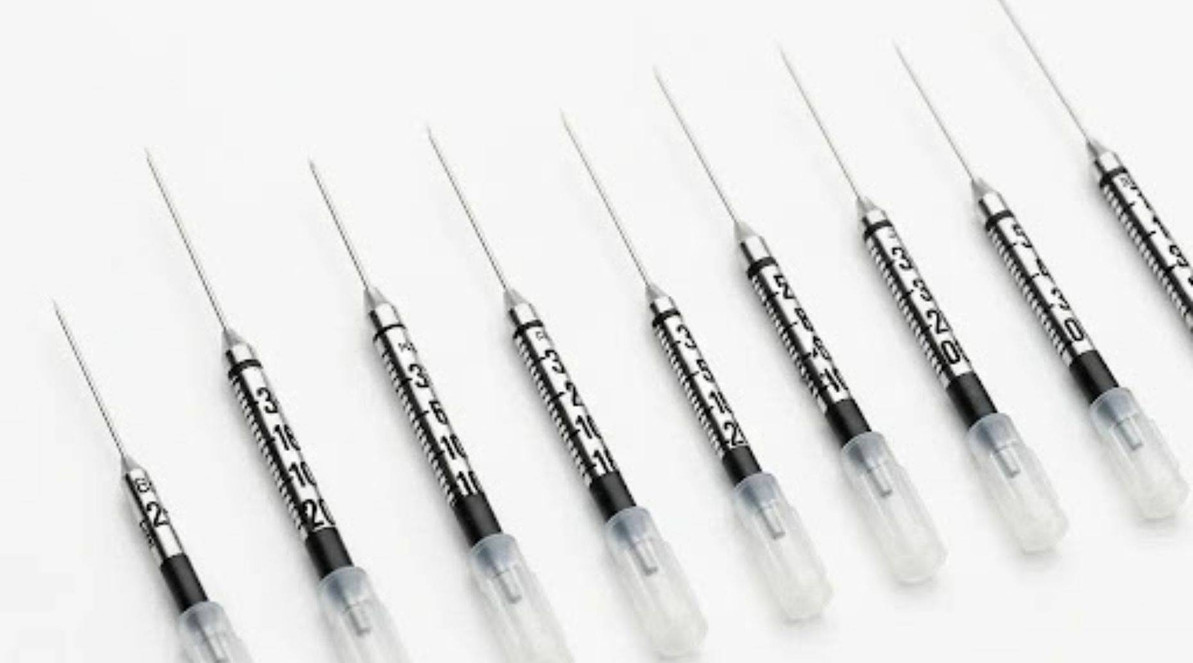
Understanding insulin needle sizes makes day‑to‑day diabetes care easier. The right needle length and gauge can reduce pain, lower the risk of injecting into muscle and help insulin absorb predictably. Here we explain common lengths — 4mm, 5mm, 6mm and 8mm — how gauge affects comfort, and how to pick the best option for your body and lifestyle. Many people avoid injections because of discomfort or worry; choosing the correct needle and using good technique can improve comfort and support better adherence to treatment. We’ll also cover practical injection tips and the needle options available at SuperPharmacy Plus.
What is needle gauge and why it matters for injection comfort?
“Gauge” refers to needle thickness. A higher gauge number means a thinner needle — and thinner needles usually cause less pain. Thinner walls and finer tips reduce tissue trauma, so many people find ultra‑fine needles more comfortable. Knowing how gauge affects sensation helps you choose a needle that fits your comfort needs without compromising insulin delivery.
How gauge relates to thickness and pain?
Gauge is a direct measure of a needle’s diameter: for example, 31G is finer than 29G. Needles in the 30–31G range are often reported as noticeably less painful by users. That improved comfort can make injections less stressful and encourage consistent use of your insulin therapy.
Common gauges and their main benefits
- 29G: Good balance between comfort and speed of injection.
- 30G: A common choice for adults — comfortable while still allowing reliable flow.
- 31G: Favoured by people who prioritise minimal discomfort or have injection anxiety.
- 32G: The finest option available — best for those who find thicker needles painful.
Why needle length matters for correct insulin delivery?
Needle length determines how deep insulin is delivered. The goal is consistent delivery into the subcutaneous layer (the fat under your skin) — not into muscle. Too long, and you risk intramuscular injection (faster absorption and more pain); too short, and insulin may not reach the subcutaneous tissue. Choosing the right length supports steady, predictable absorption.
How length affects depth and absorption?
Length controls penetration depth. Longer needles can reach muscle, increasing pain and variability in absorption. Shorter needles reduce that risk but must still get the insulin into subcutaneous tissue. For most people, injections into the subcutaneous layer provide a steady release of insulin into the bloodstream.
Recommended lengths: 4mm, 5mm, 6mm and 8mm
- 4mm: Excellent for children and lean adults — lowers the chance of intramuscular injections.
- 5mm: Versatile choice for many adults — comfortable and reliable for subcutaneous delivery.
- 6mm: Often used by adults with average to higher body fat to ensure subcutaneous placement.
- 8mm: May suit people with higher body fat, but requires care to avoid injecting into muscle.
Choosing the right needle size for your body type and age
Picking a needle comes down to body type, age and personal comfort. There’s no one‑size‑fits‑all answer — the best needle for you balances safe delivery into subcutaneous tissue with the least discomfort.
Best lengths for children and lean adults
Children and lean adults usually do best with 4mm or 5mm needles. These shorter lengths reduce the risk of muscle injection and are less daunting for younger users, helping them stick with their treatment plan.
Are shorter needles okay for heavier or average adults?
Yes — many people with average or higher body weight can successfully use 4mm or 5mm needles. Studies show shorter needles often reach the subcutaneous layer when used with correct technique, so they’re a comfortable and effective option for many adults.
Best practices for injection technique and needle use
Good injection technique matters as much as needle choice. The right approach helps insulin work predictably and keeps injections as comfortable as possible.
Choosing and rotating injection sites
Common sites are the abdomen, thighs and upper arms. Rotate spots within the same area to prevent lipodystrophy (lumps or changes in fat under the skin). For most people a 90‑degree angle is suitable; a 45‑degree angle may be safer for very thin people or when using longer needles.
Practical tips to improve comfort and safety
1. Use a new needle each time: A fresh needle reduces pain and lowers infection risk.
2. Warm the area briefly: Gently warming the skin can ease discomfort for some people.
3. Take your time: A steady, unhurried injection can reduce anxiety and soreness.
Following these steps helps make injections smoother and supports consistent diabetes management.
Insulin needle brands and products available at SuperPharmacy Plus
SuperPharmacy Plus stocks a selection of trusted insulin needles so you can find the best fit for your needs. Knowing key features makes choosing easier.
What to know about BD Ultra‑Fine and Novofine needles
BD Ultra‑Fine needles are engineered for comfort, often using thinner walls for a smoother injection. Novofine needles feature ultra‑fine tips designed to reduce pain. Both brands come in multiple gauges and lengths so you can match the needle to your routine.
Syringe needles vs pen needles — how to choose
- Convenience: Pen needles are compact and handy for travel; syringes can be preferable for larger or custom doses.
- Comfort: Many users find pen needles more comfortable thanks to thinner gauge options and streamlined design.
- Cost: Compare brands and sizes — prices vary depending on type and quantity.
Considering convenience, comfort and cost will help you pick the right delivery method for your lifestyle.
How to dispose of insulin needles safely?
Safe disposal protects you and the community. Follow recommended sharps disposal methods to avoid injury and contamination.
Why sharps containers matter
Sharps containers are made for needle disposal. They reduce the risk of needle‑stick injuries and ensure used needles are handled according to health and safety rules. Never put needles in regular rubbish — that risks others’ safety.
Sharps containers and disposal services at SuperPharmacy Plus
SuperPharmacy Plus offers sharps containers and guidance on safe disposal. You can buy appropriate containers in store, and we can point you to local disposal options so you can manage used needles responsibly.
Frequently Asked Questions
What factors should I consider when choosing an insulin needle size?
Think about your body type, age, and how injections feel for you. Body fat at the injection site, the site itself and your personal comfort all influence the best needle length and gauge. Leaner people often benefit from shorter needles, while those with more subcutaneous tissue may prefer slightly longer lengths. Gauge affects sensation, so pick a balance between comfort and reliable insulin delivery.
Can I reuse insulin needles, and what are the risks?
We don’t recommend reusing needles. Reuse can dull the tip, cause more pain, increase infection risk and lead to inconsistent dosing. For safety and best results, use a new needle for each injection.
How can I reduce anxiety about insulin injections?
Practice and preparation help. Using shorter, thinner needles, warming the site, and practising steady breathing or relaxation techniques can reduce fear. Talking to your healthcare team or joining a support group can also build confidence.
What are signs of improper injection technique?
Watch for ongoing pain, bruising, lumps, or unexplained blood sugar swings — these can signal problems with technique. Redness, swelling or signs of infection should be checked by a healthcare professional. Regular reviews with your diabetes team help catch issues early.
How often should I rotate injection sites?
Rotate sites with every injection to avoid lipodystrophy. Stay within the same general area (for example, different spots on the abdomen) to keep absorption consistent and give skin time to recover.
What should I do if I experience pain during injections?
First check needle size and technique. Thinner gauges and shorter lengths often reduce pain. Ensure you’re injecting at the correct angle and rotating sites. If pain continues, speak with your healthcare provider — they can suggest alternative products or techniques.
Are there storage requirements for insulin needles?
Store needles in a cool, dry place away from direct sunlight and extreme temperatures. Don’t freeze them or leave them in hot places. Keep needles in their original packaging until use to maintain sterility.
Conclusion
Picking the right insulin needle — the right length and gauge — makes injections more comfortable and helps insulin work as expected. Small changes, like choosing a finer gauge or the right length and using proper technique, can make a big difference in day‑to‑day life. Explore our selection at SuperPharmacy Plus to find the needle that suits you, and reach out if you’d like help deciding.
Mar 28, 2026
Recent Posts
-
 Mar 30, 2026
Who Should Avoid Using Lignosus?
Lignosus, often called Tiger Milk Mushroom, is a medicinal fungus used for respiratory … -
 Mar 28, 2026
Insulin Needle Sizes Explained: Choosing the Right Length & Gauge (4mm, 5mm, 8mm)
Understanding insulin needle sizes makes day‑to‑day diabetes care easier. The right ne … -
 Mar 27, 2026
The Role of Mobility Equipment in Rehabilitation and Recovery
Mobility equipment can be a game-changer in rehabilitation, helping people rebuild mov …